
Your dog is losing weight but still eating? This is a common and concerning problem for many dog owners. It can be distressing to see your furry friend shedding pounds despite maintaining a healthy appetite. This situation often signals an underlying health issue that requires prompt veterinary attention.
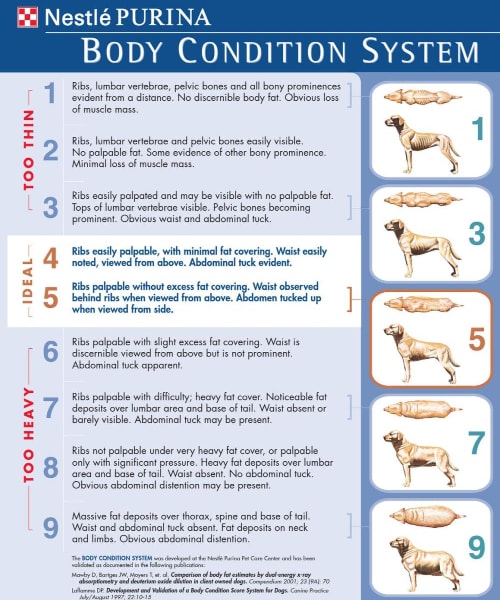
Image Source: toegrips.com
Deciphering the Puzzle of Canine Appetite and Weight Loss
Seeing your dog lose weight while still enjoying their meals can be puzzling. Normally, increased food intake should lead to weight gain, or at least maintenance. When weight loss occurs despite a good appetite, it suggests that your dog’s body isn’t utilizing or retaining the nutrients from their food effectively. This is often the first sign that something is amiss in their digestive system, metabolism, or overall health.
Exploring Dog Eating But Losing Weight Causes
There are several reasons why a dog might be losing weight but still eating. These can range from simple dietary issues to more complex medical conditions. It’s crucial to identify the root cause to provide the right treatment.
Digestive System Disorders
The most common culprits for dog weight loss while eating are issues affecting the digestive tract. When the stomach and intestines can’t properly break down food or absorb nutrients, the body starves despite adequate food intake.
- Exocrine Pancreatic Insufficiency (EPI): This is a condition where the pancreas doesn’t produce enough digestive enzymes. Without these enzymes, food isn’t broken down properly, leading to malabsorption and weight loss. Dogs with EPI often have very fatty, voluminous stools, and they may appear ravenously hungry.
- Inflammatory Bowel Disease (IBD): IBD refers to a group of chronic gastrointestinal disorders characterized by inflammation of the intestinal lining. This inflammation can interfere with nutrient absorption, leading to vomiting, diarrhea, and significant weight loss, even with a good appetite.
- Intestinal Parasites: Worms like roundworms, tapeworms, and hookworms live in the dog’s intestines and consume nutrients, depriving the dog. Heavy infestations can cause significant weight loss, a dull coat, and sometimes digestive upset, even if the dog is eating well.
- Bacterial or Viral Infections: Certain infections can damage the intestinal lining or disrupt normal digestive processes, leading to poor nutrient absorption and subsequent weight loss.
Metabolic and Endocrine Diseases
Disruptions in a dog’s metabolism can also lead to weight loss despite eating.
- Hyperthyroidism: While less common in dogs than cats, an overactive thyroid gland can significantly speed up metabolism. This means the dog burns calories much faster than usual, leading to weight loss even with an increased appetite.
- Diabetes Mellitus: In diabetes, the body either doesn’t produce enough insulin or can’t use insulin effectively. This prevents glucose from entering cells for energy, so the body starts breaking down fat and muscle for fuel, causing weight loss. Dogs with diabetes may also experience increased thirst and urination.
Other Medical Conditions
Beyond digestive and metabolic issues, several other health problems can manifest as unexplained dog weight loss with appetite.
- Cancer: Many types of cancer can cause cachexia, a wasting syndrome characterized by loss of muscle and fat. Cancer cells consume a significant amount of the body’s energy, and some tumors can interfere with nutrient absorption or hormone production.
- Kidney Disease: Chronic kidney disease can lead to a loss of appetite over time, but in earlier stages, or with certain complications, a dog might still eat but lose weight due to the body’s inability to process waste products efficiently and retain nutrients.
- Heart Disease: Advanced heart disease can cause a dog to feel unwell and lose weight due to reduced oxygen supply and increased energy expenditure by the heart.
- Dental Problems: While not a direct metabolic issue, severe dental disease (like painful gums, loose teeth, or mouth sores) can make eating uncomfortable. Your dog might still be eager to eat, but they might be unable to chew their food properly or swallow without pain, leading to less nutrient intake and weight loss.
- Malabsorption Syndromes: Conditions that hinder the body’s ability to absorb nutrients from food can occur even without overt digestive inflammation.
Dietary Deficiencies or Poor Quality Food
Sometimes, the issue isn’t a disease but the food itself.
- Low-Quality Food: If the dog’s food is low in essential nutrients or protein, even a good appetite won’t be enough to maintain weight. The food might not be digestible or contain the necessary building blocks for the body.
- Inappropriate Diet for Life Stage: A puppy’s nutritional needs differ from an adult or senior dog. Feeding a diet that doesn’t match the dog’s life stage and activity level can lead to weight loss.
Interpreting Dog Losing Pounds But Eating Normally
The fact that your dog is losing pounds but eating normally is a key symptom. It suggests that the problem lies in how the body is processing the food it consumes.
The Role of Dog Metabolism and Weight Loss
A dog’s metabolism is the sum of all chemical processes that occur in their body to sustain life. This includes converting food into energy, building and repairing tissues, and eliminating waste. When the metabolism is disrupted, weight can be lost even if caloric intake remains high.
- Increased Metabolic Rate: As mentioned with hyperthyroidism, a faster metabolism burns calories at an accelerated pace, leading to weight loss.
- Decreased Nutrient Absorption: If the digestive system isn’t working efficiently, the body can’t get the nutrients it needs from the food, even if the dog eats a lot. This impacts energy levels and can lead to muscle loss.
Why Is My Dog Skinny But Eating?
If your dog is skinny but eating, it’s essential to consider the duration and progression of the weight loss. Is it sudden or gradual? Are there other symptoms like changes in stool, energy levels, or coat condition?
Gradual vs. Sudden Weight Loss
- Gradual Weight Loss: This can be more insidious and may be attributed to chronic conditions like IBD, kidney disease, or early-stage cancers.
- Sudden Weight Loss: This can sometimes indicate a more acute problem, such as a sudden parasitic infestation, a viral infection, or a more aggressive form of cancer.
Associated Symptoms
Pay close attention to other changes in your dog:
- Gastrointestinal Signs: Diarrhea, vomiting, constipation, changes in stool color or consistency (e.g., greasy, foamy, or bloody stools).
- Behavioral Changes: Lethargy, increased thirst, changes in urination patterns, reduced activity levels, irritability.
- Coat and Skin Condition: A dull, dry coat, hair loss, or poor skin health can be indicators of underlying nutritional deficiencies or systemic illness.
Fathoming Dog Health Losing Weight Eating
When a veterinarian investigates dog health losing weight eating, they will perform a thorough physical examination and may recommend a series of diagnostic tests.
Veterinary Diagnostic Approach
- Physical Examination: The vet will check your dog’s overall body condition, palpate the abdomen for any abnormalities, listen to the heart and lungs, and assess for signs of pain or discomfort. They will also examine the mouth for dental issues.
- Fecal Examination: This is crucial to check for internal parasites like roundworms, hookworms, whipworms, and giardia. A sample will be analyzed under a microscope.
- Blood Tests:
- Complete Blood Count (CBC): This can reveal anemia (low red blood cell count), infection, or inflammation.
- Biochemistry Profile: This assesses organ function (kidneys, liver), blood sugar levels (for diabetes), electrolytes, and protein levels. It can also help detect pancreatic issues.
- Thyroid Panel: To check for hyperthyroidism or hypothyroidism.
- Urinalysis: This can help assess kidney function and detect conditions like diabetes.
- Imaging:
- X-rays (Radiographs): Can reveal abnormalities in the abdomen, such as enlarged organs, foreign bodies, or signs of intestinal blockages or inflammation.
- Ultrasound: Provides more detailed images of abdominal organs, allowing for better assessment of the pancreas, intestines, liver, kidneys, and spleen.
- Specialized Tests: Depending on initial findings, further tests might include:
- Tryptic Beta-Globulin Assay (TLI): Specifically for diagnosing EPI.
- Copro-Amylase/Lipase Ratio: Another test for pancreatic issues.
- Endoscopy and Biopsy: If IBD or intestinal lymphoma is suspected, a biopsy of the intestinal lining can provide a definitive diagnosis.
Addressing Dog Weight Loss Despite Good Appetite
Once a diagnosis is made, treatment will be tailored to the specific cause.
Treatment Strategies Based on Diagnosis
- Exocrine Pancreatic Insufficiency (EPI): Treatment involves lifelong pancreatic enzyme supplementation mixed with food, dietary changes (often a low-fat, highly digestible diet), and sometimes B12 injections.
- Inflammatory Bowel Disease (IBD): Treatment typically involves dietary changes (hypoallergenic or novel protein diets), medications to reduce inflammation and suppress the immune system (like steroids or other immunosuppressants), and sometimes antibiotics.
- Intestinal Parasites: Deworming medications are prescribed based on the type of parasite identified.
- Diabetes Mellitus: Management involves insulin injections, a carefully controlled diet, and regular exercise.
- Hyperthyroidism: Treatment options include radioactive iodine therapy, anti-thyroid medications, or surgical removal of the thyroid gland.
- Cancer: Treatment varies widely depending on the type and stage of cancer, but may include surgery, chemotherapy, radiation therapy, or palliative care.
- Kidney Disease: Management focuses on slowing disease progression through diet, fluid therapy, and medications to manage symptoms.
- Dental Problems: Treatment involves professional dental cleaning, tooth extractions if necessary, and pain management.
The Importance of Diet in Dog Metabolism and Weight Loss
The food your dog eats plays a critical role in their overall health and ability to maintain a healthy weight.
Nutritional Considerations
- Protein: Essential for building and repairing tissues, including muscle. Low protein intake can contribute to weight loss.
- Fats: A concentrated source of energy. While necessary, imbalances or malabsorption of fats can lead to specific issues.
- Carbohydrates: Provide energy.
- Vitamins and Minerals: Crucial for metabolic processes. Deficiencies can impact nutrient utilization.
When dealing with dog weight loss despite good appetite, ensuring the food is not only palatable but also highly digestible and nutritionally complete is paramount. Sometimes, a change to a prescription diet formulated for specific gastrointestinal or metabolic needs can be highly beneficial.
Frequently Asked Questions (FAQ)
Q1: Can stress cause my dog to lose weight even if they are eating?
A1: Yes, chronic stress can affect a dog’s digestive system and metabolism, sometimes leading to weight loss even with a normal appetite. Stress can disrupt nutrient absorption and increase the body’s energy expenditure.
Q2: My dog eats a lot but is still skinny. Should I feed them more?
A2: While increasing food might seem logical, it’s crucial to understand why they are losing weight. If it’s due to malabsorption or a metabolic issue, feeding more might not solve the problem and could even exacerbate certain conditions (e.g., in some forms of pancreatitis). It’s best to consult your vet before drastically altering their diet.
Q3: What are the early signs that my dog might be losing weight unintentionally?
A3: Early signs include a visible decrease in muscle mass (e.g., prominent ribs, hip bones, or spine), reduced energy levels, a duller coat, and a noticeable change in body shape. Regularly weighing your dog can also help detect subtle weight loss.
Q4: Can medication side effects cause weight loss in dogs?
A4: Yes, some medications can have side effects that impact appetite, digestion, or metabolism, leading to weight loss. If you’ve recently started a new medication, discuss any weight changes with your veterinarian.
Q5: How quickly should I see a vet if my dog is losing weight?
A5: You should consult your veterinarian as soon as you notice unintentional weight loss, especially if it’s accompanied by any other symptoms. Prompt diagnosis and treatment are key to a positive outcome.
Seeing your dog lose weight while maintaining a good appetite is a signal that cannot be ignored. It’s a complex interplay of bodily functions, and pinpointing the cause requires a thorough investigation by a veterinary professional. By working closely with your vet and providing them with detailed information about your dog’s behavior and symptoms, you can help ensure your beloved companion receives the care they need to regain their health and vitality.