
Does your dog pee in their bed? This is a common and frustrating problem for many dog owners. The primary reasons a dog pees in their bed are usually due to medical issues, behavioral problems like anxiety or excitement, incomplete house training, or simply accidents due to age. Fathoming the root cause is the first step to finding a lasting solution. This in-depth guide will explore the various reasons behind this behavior and offer practical, actionable solutions to help you and your canine companion.
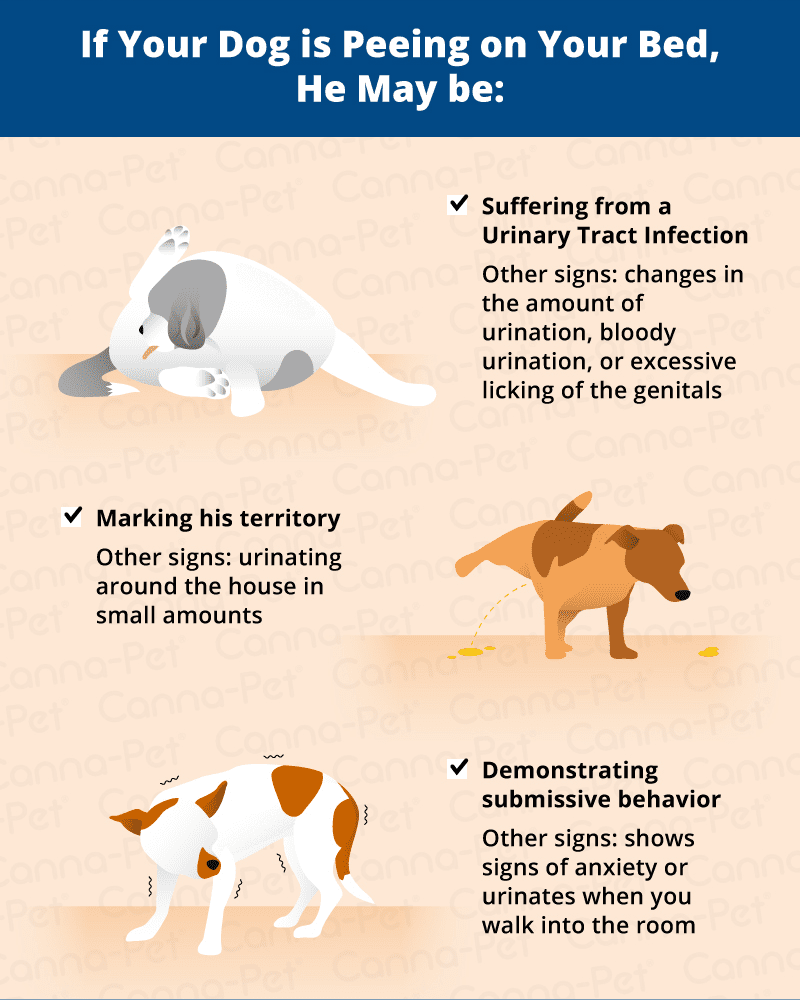
Image Source: cdn-ilbfemn.nitrocdn.com
Medical Reasons for Dog Urination
Before delving into behavioral causes, it’s crucial to rule out any underlying medical conditions. A sudden change in a dog’s urination habits, including peeing in their bed, can be a symptom of a health problem.
Urinary Tract Infections (UTIs)
UTIs are a very common cause of inappropriate urination. Bacteria can infect the bladder or urethra, causing inflammation and a frequent, urgent need to urinate. Dogs with UTIs may dribble urine, especially when they are relaxed or sleeping, which can lead to accidents in their bed.
- Symptoms to Watch For:
- Frequent urination, often in small amounts.
- Straining or crying during urination.
- Blood in the urine.
- Increased thirst.
- Licking the genital area.
Bladder Stones
Bladder stones are mineral deposits that can form in the urinary bladder. These stones can irritate the bladder lining, leading to pain, inflammation, and an increased urge to urinate. They can also block the urethra, preventing urine from passing, which is a medical emergency.
- Symptoms to Watch For:
- Painful urination.
- Blood in the urine.
- Frequent attempts to urinate with little success.
- Urgency and accidents.
Kidney Disease
Kidneys are responsible for filtering waste products from the blood and producing urine. When kidney function declines, dogs may produce more dilute urine and have a reduced ability to hold it. This can result in increased urination frequency and accidents, even in their bed.
- Symptoms to Watch For:
- Increased thirst and urination.
- Vomiting.
- Loss of appetite.
- Lethargy.
- Weight loss.
Diabetes Mellitus
Diabetes affects how the body uses glucose. Dogs with diabetes often experience increased thirst and urination, as their bodies try to excrete excess sugar. This can overwhelm their ability to hold their urine, leading to accidents.
- Symptoms to Watch For:
- Increased thirst.
- Increased appetite.
- Frequent urination.
- Weight loss despite eating.
- Cloudy eyes.
Cushing’s Disease (Hyperadrenocorticism)
Cushing’s disease occurs when the adrenal glands produce too much cortisol. This condition can lead to increased thirst and urination, as well as a weakened immune system.
- Symptoms to Watch For:
- Increased thirst and urination.
- Increased appetite and weight gain, often with a pot-bellied appearance.
- Thinning skin and hair loss.
- Frequent infections.
Prostate Problems (in intact males)
An enlarged or infected prostate can put pressure on the bladder and urethra, making it difficult for male dogs to control their urination.
- Symptoms to Watch For:
- Difficulty urinating.
- Blood in the urine.
- Straining during defecation.
- Pain in the hindquarters.
Age-Related Changes
As dogs age, they can develop conditions like cognitive dysfunction (similar to dementia in humans), which can lead to a loss of house-training habits and confusion about where it’s appropriate to urinate. They may also experience reduced bladder control.
- Symptoms to Watch For:
- Disorientation.
- Changes in sleep patterns.
- Reduced interaction with family.
- Accidents in the house.
Action Plan: If you suspect a medical reason, the first and most important step is to schedule a veterinary appointment. Your vet can perform a physical examination, urinalysis, blood tests, and other diagnostic procedures to identify and treat any underlying health issues.
House Training Accidents
Incomplete or inconsistent house training is a frequent cause of dog peeing in bed causes. Even well-trained dogs can have accidents, especially during the critical learning phases.
Puppies and Bed Wetting
Puppy peeing in crate or bed is very common. Puppies have small bladders and limited control over their urges. They need frequent opportunities to go outside and consistent reinforcement of good behavior.
-
Why it happens:
- Bladder muscles are not fully developed.
- They haven’t learned to hold it for long periods.
- They may associate sleeping with a safe place to eliminate if not properly trained.
- Excitement or fear can trigger accidents.
-
Solutions for Puppies:
- Frequent Potty Breaks: Take your puppy out every 1-2 hours, immediately after waking up, after playing, and after eating.
- Supervision: Keep your puppy within sight. If you can’t supervise, use a crate or a confined area.
- Crate Training: A crate can be a valuable tool. Dogs generally avoid soiling their sleeping area. Ensure the crate is the right size – large enough to stand, turn around, and lie down, but not so large that they can use one end as a bathroom.
- Positive Reinforcement: Praise and reward your puppy lavishly with treats and affection when they eliminate outside.
- Clean-up: Thoroughly clean any accidents in the house with an enzymatic cleaner to eliminate odors that might attract them back to the same spot. Never punish your puppy for an accident; it will only make them fearful and less likely to tell you when they need to go.
Adult Dogs with Training Gaps
Sometimes, even adult dogs can have accidents. This might be due to a new environment, a change in routine, or simply a lack of consistent reinforcement of house-training rules.
- Solutions for Adult Dogs:
- Revisit House Training: Treat your adult dog as if they are a puppy again. Implement a strict schedule of potty breaks.
- Reinforce Outdoor Elimination: Go outside with them and praise them when they “do their business” in the designated spot.
- Supervise and Crate: When you can’t supervise, confine them to a safe area.
- Identify Triggers: Are accidents happening at specific times or after certain events?
Behavioral Issues Leading to Bed Peeing
Beyond training, various behavioral issues can manifest as dogs peeing in their beds. These are often rooted in emotional states.
Dog Anxiety Peeing
Anxiety is a significant contributor to inappropriate urination. Dogs may pee when they feel stressed, fearful, or insecure. Their bed, being a place of comfort, can sometimes become a target for this anxiety.
-
Common Anxiety Triggers:
- Separation Anxiety: Peeing when left alone.
- Fear of Loud Noises: Thunderstorms, fireworks, construction.
- Fear of Specific Objects or People: New visitors, vacuum cleaners.
- Changes in Routine or Environment: Moving house, a new pet, a change in owner’s schedule.
-
Solutions for Anxiety-Related Peeing:
- Identify the Source of Anxiety: Observe your dog’s behavior and try to pinpoint what triggers their fear or stress.
- Desensitization and Counter-Conditioning: Gradually expose your dog to the feared stimulus at a low intensity while pairing it with positive experiences (treats, praise).
- Create a Safe Space: Ensure your dog has a comfortable, secure den or bed where they can retreat when feeling anxious.
- Provide Mental Stimulation: Puzzle toys, training sessions, and interactive play can help reduce anxiety.
- Consult a Professional: For severe anxiety, consult a certified professional dog trainer or a veterinary behaviorist. They can recommend behavior modification plans, and sometimes medication.
- Calming Aids: Consider pheromone diffusers (like Adaptil), calming supplements, or anxiety wraps, but these should be used in conjunction with behavior modification, not as a sole solution.
Dog Peeing Due to Excitement
Some dogs, particularly younger ones, can pee when they are overly excited. This is often a loss of bladder control due to heightened emotions.
-
When it Occurs:
- Greeting people or other dogs.
- During play.
- When anticipating a favorite activity (like a walk).
-
Solutions for Excitement Peeing:
- Remain Calm During Greetings: Ask visitors to ignore your dog initially until they have settled down.
- Teach a “Sit” or “Down” Command: Have your dog perform a calming behavior when excited.
- Manage Excitement Levels: If your dog gets too worked up, redirect their energy or briefly remove them from the exciting situation until they calm down.
- Gradual Exposure to Exciting Stimuli: Practice controlled introductions to exciting situations.
Dog Urine Marking Bed
Urine marking is different from incontinence or accidents due to training. It’s a way for dogs to communicate and signal territory.
-
Why Dogs Mark:
- Territorial Marking: Especially in multi-dog households or if a new dog or person enters the home.
- Seeking Attention: If a dog feels ignored, they might mark to get a reaction.
- Hormonal Influences: Unneutered males are more prone to marking.
- Stress or Insecurity: Marking can be a way to feel more secure in their environment.
-
Solutions for Urine Marking:
- Spaying/Neutering: This significantly reduces urine marking in many dogs.
- Clean Thoroughly: Use enzymatic cleaners to completely remove all traces of urine odor from the bed and surrounding areas.
- Restrict Access: Prevent your dog from accessing their bed when unsupervised, especially if the marking is ongoing.
- Positive Reinforcement for Appropriate Behavior: Reward your dog for not marking.
- Address Underlying Anxiety or Insecurity: If marking is due to stress, implement strategies to reduce anxiety.
- Management: If marking persists in a specific spot, consider temporarily removing the bed or blocking access.
Stress Related Dog Urination
General stress, beyond specific anxieties, can also lead to house-soiling. This might be due to changes in the household, a new routine, or feeling unsettled.
-
Identifying Stressors:
- Changes in owner’s schedule (e.g., returning to work).
- New pet in the house.
- Loud noises or construction.
- Visitors or parties.
-
Solutions for Stress Related Peeing:
- Maintain Routine: Consistency in feeding, walking, and playtime can provide a sense of security.
- Provide Predictability: Try to keep the dog’s environment and schedule as stable as possible during stressful periods.
- Increase Quality Time: Spend extra time playing, grooming, or just being with your dog to reassure them.
- Consult a Professional: For persistent stress, seek guidance from a vet or behaviorist.
Elderly Dog Incontinence
As dogs age, their physical capabilities can decline, leading to incontinence.
-
Causes of Elderly Incontinence:
- Weakened Bladder Muscles: Similar to humans, bladder muscles can lose tone with age.
- Hormonal Imbalances: Especially in spayed female dogs (Estrogen-Responsive Incontinence).
- Cognitive Dysfunction: As mentioned earlier, confusion can lead to accidents.
- Underlying Medical Conditions: Arthritis can make it painful to get up and go outside, leading to accidents.
-
Solutions for Elderly Incontinence:
- Veterinary Consultation: Rule out medical causes first. Hormone replacement therapy or medications like phenylpropanolamine (PPA) or diethylstilbestrol (DES) can be prescribed for hormone-responsive incontinence.
- Frequent Potty Breaks: Take your dog out more often, especially upon waking and after meals.
- Dog Diapers or Belly Bands: These can be lifesavers for managing accidents.
- Protective Bedding: Use waterproof mattress protectors or washable bed covers.
- Easy Access: If mobility is an issue, ensure their bed is easily accessible and consider ramps for getting outside.
Practical Tips for Managing and Cleaning
Regardless of the cause, proper management and cleaning are essential.
Cleaning Strategies
- Immediate Action: Clean up accidents as soon as they happen.
- Enzymatic Cleaners: These are crucial. Regular cleaners might remove the visible stain but won’t break down the odor molecules that attract dogs back to the spot. Look for cleaners specifically designed for pet urine.
- Thoroughness: Soak the affected area thoroughly with the enzymatic cleaner. You may need to treat multiple layers of bedding or carpet.
- Avoid Ammonia-Based Cleaners: Ammonia smells similar to urine and can actually encourage your dog to pee in that spot again.
- Wash Bedding: Wash bedding on the hottest setting recommended for the fabric, using a high-quality laundry detergent. You might add a cup of white vinegar to the rinse cycle.
Bed Management
- Waterproof Bed Covers: Invest in a good quality, washable waterproof cover for your dog’s bed.
- Washable Beds: Choose beds that are easy to machine wash and dry.
- Limit Access: When you can’t supervise your dog, consider removing their bed or confining them to an area without their bed until the issue is resolved.
- Crate Training (Revisited): For many dogs, a properly sized crate can be their safe space, and they will naturally avoid soiling it.
Fathoming the “Why” – A Summary Table
| Cause Category | Potential Specific Causes | Signs to Watch For | Solutions |
|---|---|---|---|
| Medical | UTIs, Bladder Stones, Kidney Disease, Diabetes, Cushing’s, Prostate Issues, Age-Related Conditions | Frequent urination, straining, blood in urine, increased thirst, lethargy, vomiting, weight loss, disorientation. | Veterinary visit, diagnostic tests, prescribed treatments, medication, hormone therapy. |
| House Training | Puppy immaturity, Incomplete adult training | Accidents when unsupervised, after waking/eating, or when signals are missed. | Frequent potty breaks, supervision, crate training, positive reinforcement, enzymatic cleaners, consistent routine. |
| Behavioral | Anxiety (separation, noise), Excitement, Marking, Stress | Peeing when alone, during storms, during greetings, after changes, territorial marking. | Identify triggers, desensitization, counter-conditioning, safe space, management of excitement, spaying/neutering, professional behaviorist consultation, calming aids. |
| Age-Related | Weakened bladder muscles, Hormonal changes, Cognitive Dysfunction, Arthritis | Incontinence, accidents despite prior training, disorientation, mobility issues. | Vet consultation, medication, frequent potty breaks, dog diapers/belly bands, waterproof bedding, easy access to outside. |
Frequently Asked Questions (FAQ)
Q1: My dog has always been perfectly house-trained, but now he’s peeing in his bed. What could have changed?
A: Sudden changes in behavior often point to underlying medical issues or significant stress. A veterinary check-up is the first step. If medical causes are ruled out, consider recent changes in the household, routine, or environmental stressors that might be affecting your dog.
Q2: Is punishment effective for a dog peeing in its bed?
A: No, punishment is rarely effective and often counterproductive. It can lead to fear, anxiety, and a dog that tries to hide accidents rather than eliminate appropriately. Focus on positive reinforcement for good behavior and addressing the root cause of the accidents.
Q3: How do I stop my puppy from peeing in its crate?
A: Ensure the crate is the correct size. Take your puppy out frequently, especially after waking up, eating, or playing. If accidents occur in the crate, it may mean the crate is too large or that your puppy needs more frequent potty breaks. Clean accidents thoroughly with an enzymatic cleaner.
Q4: My elderly dog is incontinent. Is there anything I can do besides using diapers?
A: Yes, consult your veterinarian. They can diagnose the cause of the incontinence and may prescribe medications or hormone therapies that can significantly improve bladder control. Maintaining a consistent schedule of potty breaks is also vital.
Q5: How can I clean a dog bed that smells like urine?
A: Wash the bed on a hot cycle with a high-quality detergent. For stubborn odors, pre-treat the affected areas with an enzymatic cleaner designed for pet urine. You can also add a cup of white vinegar to the rinse cycle of your washing machine. Ensure the bed is thoroughly dried to prevent mildew.
Q6: What is “dog urine marking bed” and how is it different from other accidents?
A: Urine marking is typically a territorial or communication behavior, often done in small amounts on vertical surfaces, but can also occur on soft furnishings like beds. It’s distinct from an accidental full bladder release due to training, excitement, or medical issues, though stress can be a common underlying factor for marking.
By systematically investigating the potential causes and implementing appropriate solutions, you can help your dog overcome the frustrating habit of peeing in their bed, restoring peace and cleanliness to your home. Remember to be patient, consistent, and always consult with your veterinarian to rule out any health concerns.