
Why does my dog jump and bite me on walks? Your dog jumps and bites you on walks primarily due to excitement, frustration, overstimulation, or learned behaviors. These actions are often their way of communicating intense emotions or seeking attention.
Walks are often the highlight of a dog’s day. They offer a chance to explore, socialize, and burn off energy. However, for some dogs, this excitement can spill over into undesirable behaviors like jumping and nipping at the leash or their handler. This can turn what should be a pleasant experience into a frustrating ordeal for both dog and owner. Let’s delve into the reasons behind this common issue and explore effective strategies for managing it.
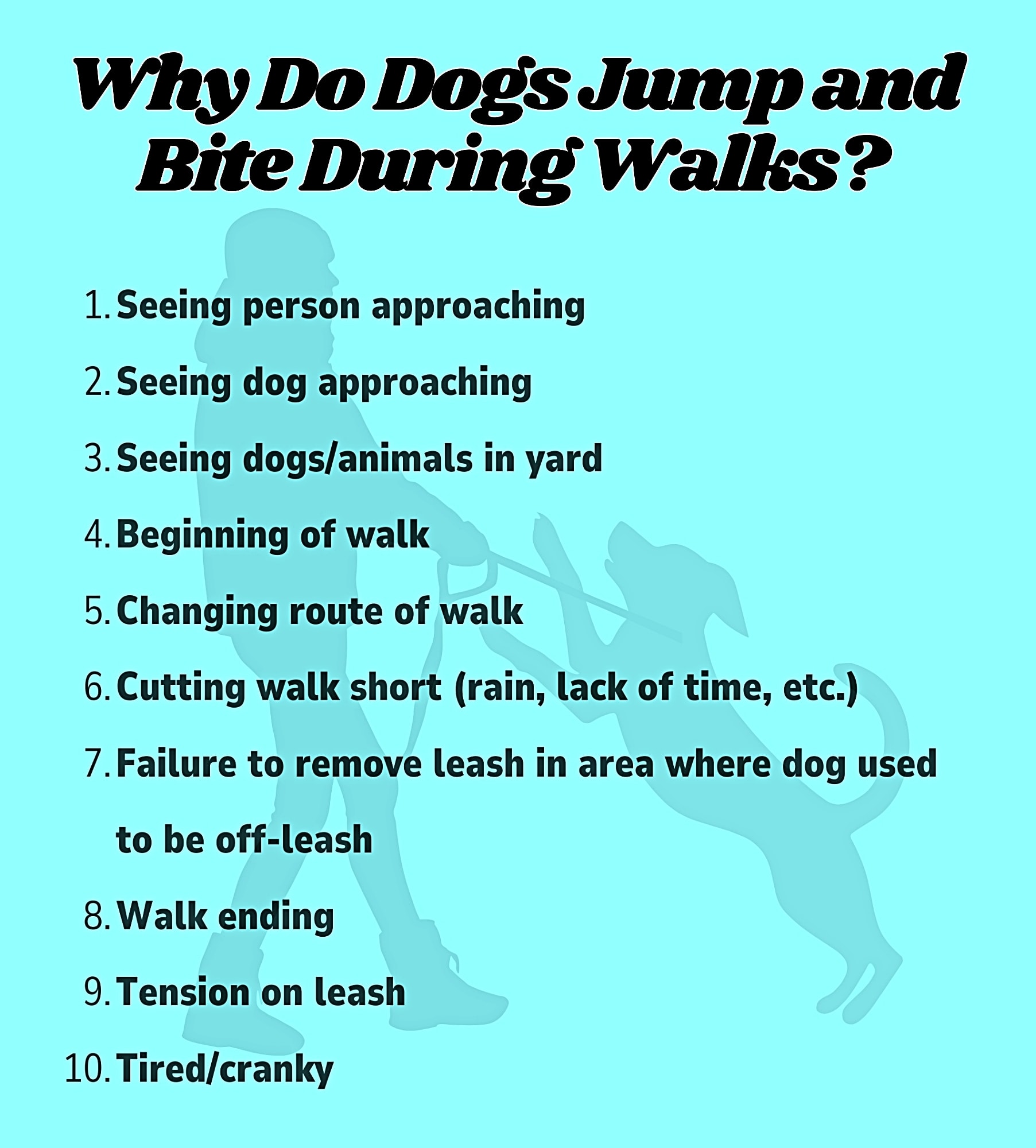
Image Source: pethelpful.com
Deciphering the Reasons for Jumping and Biting
Several underlying factors can contribute to a dog’s tendency to jump and bite during walks. It’s rarely a single cause, but rather a combination of the dog’s temperament, training history, and the immediate environment.
The Overstimulated Canine: A Common Culprit
One of the most frequent reasons for this behavior is an overstimulated dog on walks. The world is a sensory overload for our canine companions. New sights, sounds, smells, and the presence of other dogs, people, or even squirrels can trigger a heightened state of arousal. When a dog becomes overstimulated, their impulse control diminishes, making them more prone to acting out.
- Sensory Input: Smells are incredibly important to dogs. A busy street offers a buffet of scents, but it can also be overwhelming.
- Anticipation: The anticipation of reaching a favorite park or encountering another dog can build up excitement to an unmanageable level.
- Environmental Triggers: Loud noises, sudden movements, or unexpected encounters can all contribute to overstimulation.
When a dog is overstimulated, they might exhibit:
- Panting: Beyond normal exertion.
- Whining/Barking: High-pitched or incessant.
- Trembling: Even in warm weather.
- Pacing: Restlessness and inability to settle.
- Jumping/Nipping: As a release of pent-up energy and emotion.
Frustration and the “Leash Dance”
Another significant factor is dog frustration jumping. Dogs, by nature, are social animals. On a walk, they encounter many things they might want to investigate or interact with – other dogs, friendly people, or interesting smells. However, the leash restricts their movement, preventing them from acting on these desires. This restriction can lead to frustration, which then manifests as jumping or nipping.
This is often seen as dog pulling and nipping. The dog pulls forward, eager to reach a stimulus, and when they can’t, they might resort to nipping at the leash or the handler’s hands as an outlet for that frustration. It’s a way of saying, “I want to get there!” or “Why can’t I go closer?”
Learned Behaviors: The Power of Reinforcement
Sometimes, jumping and biting on walks become ingrained habits because they have been inadvertently reinforced. If a dog jumps and nips, and in response, the owner stops the walk, pulls the dog back, or even gives them attention (even negative attention), the dog might perceive this as a successful way to get a reaction.
- Excited Dog Leash Biting: This can become a cycle. The dog gets excited, bites the leash, the owner reacts, reinforcing the behavior.
- Puppy Biting Leash: Puppies explore the world with their mouths. Nipping at the leash is often a natural part of their exploration, but if not corrected early, it can become a habit.
This is a form of handler aggression on walks, not in the sense of malicious intent, but as a learned response to get a reaction or to communicate frustration towards the handler.
Why My Dog Mouths Me on Walks
The act of why my dog mouths me on walks is closely related to the above. Mouthing is a natural canine behavior, often used for play, exploration, and communication, especially in puppies. When it occurs on walks, it can be:
- Playful Nipping: The dog might be trying to engage the handler in play, especially if they are feeling energetic.
- Seeking Attention: If mouthing gets a reaction, the dog learns it’s an effective way to get noticed.
- Relief of Pressure: If the leash is too tight, a dog might mouth it to try and alleviate the pressure, which can be misinterpreted as aggression.
Identifying the Specific Triggers
To effectively address jumping and biting, it’s crucial to identify the specific triggers that set your dog off. Keeping a “walk journal” can be incredibly helpful. Note down:
- What happened right before the behavior? (e.g., seeing another dog, hearing a loud noise, reaching a specific point on the walk)
- What was your dog’s body language? (e.g., tail position, ear position, vocalizations)
- What was your reaction?
Here’s a table to help you track triggers:
| Time of Walk | Location/Environment | Trigger Observed | Dog’s Behavior (Pre-Bite/Jump) | Dog’s Behavior (During Bite/Jump) | Your Reaction |
|---|---|---|---|---|---|
| 8:00 AM | Park entrance | Squirrel | Stiff body, intense stare | Lunged, barked, nipped leash | Pulled back |
| 8:15 AM | Sidewalk near cafe | Jogger passing | Tense, ears forward | Jumped, nipped at my hand | Said “No!” |
| 8:30 AM | Quiet residential | Another dog ahead | Wagging tail, whining | Pulled hard, nipped leash | Stopped walk |
Comprehending Leash Reactivity Biting
Leash reactivity biting is a specific form of this behavior. It occurs when a dog is on leash and reacts negatively towards something (another dog, person, vehicle) they might otherwise ignore or tolerate if they were free. The leash acts as a barrier, and the dog’s inability to get to or escape the trigger, combined with their frustration, can lead to lunging, barking, and biting at the leash or handler.
Factors contributing to leash reactivity include:
- Lack of Socialization: If a dog wasn’t properly exposed to various stimuli during their critical developmental periods.
- Negative Past Experiences: A frightening encounter with another dog or person while on leash can create lasting fear and avoidance.
- Genetics: Some breeds or individual dogs are naturally more prone to heightened arousal or anxiety.
- Physical Discomfort: Pain or illness can make a dog more irritable and reactive.
Strategies for Managing Excited Dog Behavior
Effectively managing excited dog behavior on walks requires patience, consistency, and a multi-faceted approach. The goal is to teach your dog impulse control and provide them with appropriate outlets for their energy and emotions.
1. Equip Yourself Properly
The right equipment can make a significant difference in controlling your dog and ensuring safety.
- Harness: A front-clip harness can help redirect your dog’s pulling, making it harder for them to lunge forward with full force.
- Leash: A standard 4-6 foot leash is ideal. Avoid retractable leashes, as they offer less control and can be dangerous.
- Treats: High-value, small, tasty treats that your dog loves are essential for positive reinforcement.
2. Teach Foundational Obedience
A solid foundation in basic obedience is crucial for managing walks.
- “Sit” and “Stay”: These commands can be used to pause your dog and regain their composure when they start to get overexcited.
- “Leave It”: This is invaluable for teaching your dog to ignore distractions.
- “Heel” or Loose-Leash Walking: Teaching your dog to walk politely beside you without pulling is key to a calm walk.
3. Impulse Control Exercises
These exercises help your dog learn to manage their excitement and urges.
- “Wait” for Food/Toys: Before feeding your dog or giving them a toy, ask them to sit and wait until you release them.
- “Sit” at Doorways: Teach your dog to wait for permission to go through doors.
- Target Training: Teaching your dog to touch a target with their nose can be a great way to redirect their attention.
4. Redirection Techniques
When you see your dog starting to get overexcited, use dog redirection techniques to change their focus.
- Catch Them Before They React: If you see your dog’s ears perk up and their body stiffen at the sight of a trigger, immediately try to redirect their attention.
- Use High-Value Treats: Lure them away from the trigger with a tasty treat, asking for a simple command like “sit” or “look at me.”
- Change Direction: Sometimes, simply turning around and walking the other way can break the dog’s focus on the trigger.
5. “Look at That” Game (LAT)
This is a fantastic desensitization and counter-conditioning technique for leash reactivity.
- How it works: When your dog notices a trigger (another dog, person, etc.) at a distance where they are not yet reacting, mark the behavior with a clicker or a verbal marker (“yes!”) and immediately give them a high-value treat.
- The goal: Your dog learns that seeing the trigger predicts a treat from you, changing their emotional response from excitement or anxiety to anticipation of a reward.
- Progression: Start at a distance where your dog can see the trigger but remain calm. Gradually decrease the distance as your dog becomes more comfortable.
6. Desensitization and Counter-Conditioning (DSCC)
This is a broader approach that applies to many triggers.
- Desensitization: Gradually exposing your dog to a trigger at a low intensity (e.g., a distant dog) until they no longer react.
- Counter-Conditioning: Pairing the presence of the trigger with something positive (like treats or praise).
7. Managing the Environment
Sometimes, the best approach is to avoid overwhelming situations until your dog is better equipped to handle them.
- Walk at Quieter Times: If possible, choose times of day when fewer people and dogs are out.
- Avoid High-Traffic Areas: Opt for less stimulating routes initially.
- Create Distance: If you see a trigger approaching, move to the side of the path, cross the street, or duck behind a car to create space.
8. Channeling Energy Appropriately
Ensure your dog is getting enough physical and mental exercise outside of walks.
- Playtime: Fetch, tug-of-war (with rules!), or interactive toys.
- Training Sessions: Short, fun training sessions can tire a dog out mentally.
- Puzzle Feeders: Make meal times more engaging.
Puppy Biting Leash: Early Intervention
For owners of puppies, addressing puppy biting leash early is crucial.
- Redirect: When your puppy bites the leash, immediately offer them an appropriate chew toy.
- Stop the Walk: If the nipping continues, stop moving. The walk only resumes when the puppy stops biting the leash.
- Praise Calmness: Reward your puppy for walking nicely without nipping.
- Leash Handling: Keep the leash loose when possible, avoiding creating tension that might invite chewing.
Fostering a Positive Relationship
Ultimately, addressing jumping and biting on walks is about building a stronger bond and clear communication with your dog.
- Patience is Key: Progress takes time. There will be good days and bad days.
- Consistency: Everyone who walks the dog needs to use the same methods and rules.
- Positive Reinforcement: Focus on rewarding the behaviors you want to see.
- Seek Professional Help: If you’re struggling, don’t hesitate to consult a certified professional dog trainer or a veterinary behaviorist. They can provide personalized guidance and support.
Frequently Asked Questions (FAQ)
Q1: Is it normal for my dog to jump and bite the leash?
A1: While it’s a common behavior, it’s not ideal and can often be managed and improved with the right training and strategies. It usually stems from excitement or frustration.
Q2: My dog only bites the leash when they see other dogs. What does this mean?
A2: This is a classic sign of leash reactivity biting. Your dog likely feels a mix of excitement and frustration because they want to greet or interact with the other dog but are held back by the leash.
Q3: How can I stop my dog from pulling and nipping on walks?
A3: You can stop dog pulling and nipping by teaching loose-leash walking, using positive reinforcement for good behavior, and employing redirection techniques when they start to pull or nip. Front-clip harnesses can also be very effective.
Q4: My puppy mouths me on walks. Is this aggression?
A4: Generally, puppy biting leash or mouthing during walks is not aggression. It’s usually exploration, playfulness, or a way to communicate excitement. However, it’s important to redirect this behavior to prevent it from becoming a problem later.
Q5: My dog gets very excited and jumps on me when we start our walk. How can I manage this?
A5: This is a common example of managing excited dog behavior. Before you even leave the house, ensure your dog is calm. Practice waiting at the door. Once on the walk, use high-value treats to reward calm behavior and redirect any jumping or nipping attempts.
Q6: Can I use punishment to stop my dog from jumping and biting?
A6: While a sharp “no” might briefly interrupt the behavior, punishment is generally not recommended as it can create fear, anxiety, and may even worsen reactivity. Positive reinforcement and dog redirection techniques are far more effective and build a better relationship with your dog.
Q7: My dog seems overstimulated on walks. What can I do?
A7: If your dog is an overstimulated dog on walks, try to identify the specific triggers. Gradually expose them to these triggers at a distance where they remain calm, using positive reinforcement (DSCC). Also, ensure they have enough exercise and mental stimulation at home to help manage their overall arousal levels.
By systematically addressing the root causes and employing consistent, positive training methods, you can transform walks from a struggle into a joyful experience for both you and your canine companion.