
So, you’re curious about the price of a wolf dog? Wolfdog puppy price can range from $1,000 to $5,000 or more, depending on lineage, breeder reputation, and content percentage. The overall wolf hybrid cost encompasses much more than just the initial purchase price. This blog post will dive deep into the real costs associated with acquiring and owning these unique, often misunderstood animals. It’s crucial to go beyond the sticker shock and understand the long-term financial commitment.
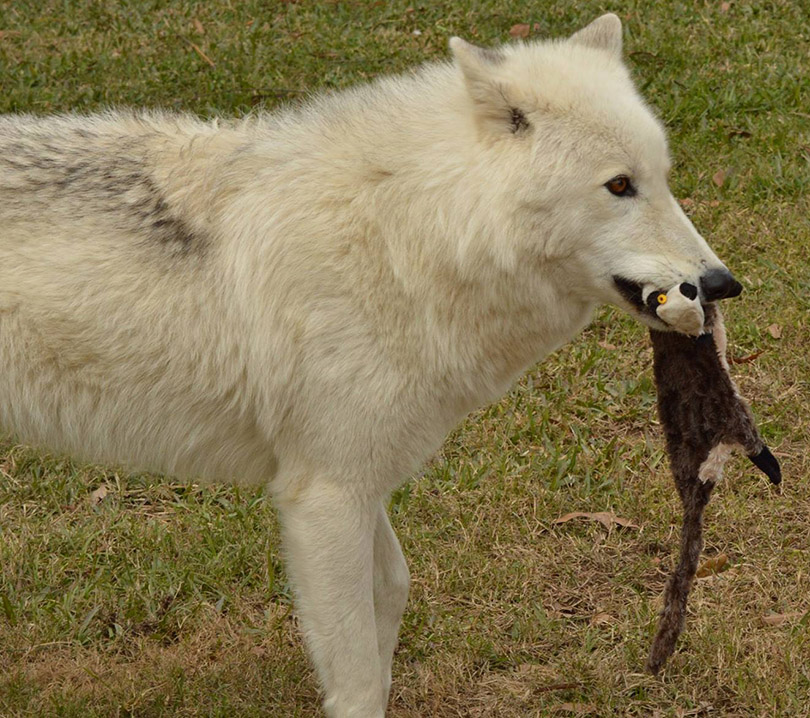
Image Source: texaswolfdogproject.org
Deciphering Wolfdog Pricing: More Than Just a Puppy
The cost of a wolf dog isn’t a simple, one-size-fits-all answer. Several factors influence the initial wolfdog breeder prices. These can include:
- Content Percentage: This is the most significant factor. Wolfdogs are categorized by the percentage of wolf ancestry they possess.
- Low Content Wolfdogs: These have a small percentage of wolf (typically under 25-30%). They often resemble domestic dogs more closely and may be easier to manage. Their prices tend to be at the lower end of the spectrum.
- Mid Content Wolfdogs: With a moderate wolf percentage (around 30-50%), these animals exhibit a more balanced mix of wolf and dog traits. They can be more challenging than low content and may command higher prices.
- High Content Wolfdogs: These possess a significant wolf percentage (over 50%). They are the most challenging to own, requiring expert handling, specialized containment, and a deep understanding of wolf behavior. Consequently, they often come with the highest price tag.
- Breeder Reputation and Practices: Reputable breeders who invest heavily in health testing, proper socialization, and provide extensive support will naturally charge more. They are dedicated to the well-being of their animals and aim to place them in suitable homes. Be wary of individuals selling wolfdogs without proper documentation or health clearances.
- Genetics and Lineage: Like purebred dogs, wolfdogs from proven, healthy lines with desirable temperaments and physical characteristics will fetch higher prices. Breeders focusing on specific traits or with a history of successful placements will reflect that in their pricing.
- Location: Geographical location can play a role in pricing due to varying costs of living and demand.
The Spectrum of Wolfdog Puppy Price
- Low Content Wolfdogs: You might find low content wolfdog price points starting around $1,000 to $2,500.
- Mid Content Wolfdogs: Expect to pay between $2,000 and $4,000 for a mid-content wolfdog.
- High Content Wolfdogs: The high content wolfdog price can easily reach $3,000 to $5,000 and even exceed this, particularly for animals from highly sought-after lines.
It’s crucial to remember that these are just initial purchase prices. The ongoing cost of wolfdog ownership can be substantial.
The True Cost of Acquiring a Wolfdog: Beyond the Purchase Price
Buying a wolfdog is not just about the initial transaction. There are several associated costs that potential owners must consider:
Initial Setup Costs
Before your wolfdog even arrives, you’ll need to prepare your home and environment.
- Containment: This is paramount. Wolfdogs, especially higher content ones, are escape artists. They can dig, jump, and climb.
- Fencing: Expect to invest significantly in secure fencing. This typically means six-foot-high chain-link or solid wood fencing, with an outward-facing dig guard or L-footer to prevent burrowing. For high-content animals, a double-fencing system or even an aviary-style enclosure might be necessary. This can easily cost several thousand dollars, depending on the size of your yard.
- Enclosure Reinforcement: If you have existing fences, you’ll likely need to reinforce them.
- Veterinary Care: Finding a veterinarian experienced with wolfdogs or wolf hybrids is essential.
- Initial Health Check: A thorough initial examination, vaccinations, and deworming.
- Spaying/Neutering: Often a requirement for wolfdogs, especially in certain areas, and can range from $300 to $1,000+.
- Specialized Care: Some vets may charge more for treating exotics or animals with specific needs.
- Supplies:
- High-Quality Food: Wolfdogs have specific dietary needs. They often thrive on a raw or high-quality kibble diet. This can be significantly more expensive than standard dog food.
- Toys: Durable toys are a must. Standard dog toys won’t last long.
- Beds and Bedding: Sturdy, comfortable sleeping arrangements.
- Leashes and Collars: Secure, strong, and appropriate for their size and strength.
Ongoing Costs of Wolfdog Ownership
The expenses don’t stop once you’ve brought your wolfdog home.
- Food: This is a major recurring expense.
- Raw Diet: If you opt for a raw diet, which is often recommended for high-content animals, the cost can be substantial, involving purchasing large quantities of meat, organs, and bones. This could be anywhere from $150 to $400+ per month, depending on the dog’s size and diet composition.
- High-Quality Kibble: Even high-quality kibble designed for active or large breeds will be more expensive than generic brands. Expect $80-$150+ per month.
- Veterinary Care: Regular check-ups, potential emergency visits, and preventative treatments (flea, tick, heartworm) add up. Due to their unique physiology, some medications might be more expensive.
- Training: Wolfdogs require consistent, specialized training from a young age.
- Positive Reinforcement: This is crucial. Investing in a qualified trainer experienced with wolfdogs or primitive breeds is highly recommended. This could involve private sessions or specialized group classes.
- Socialization: Early and ongoing socialization with people and well-behaved dogs is vital, but it needs to be done carefully and strategically.
- Enrichment and Exercise:
- Mental Stimulation: Wolfdogs are intelligent and need mental challenges to prevent boredom and destructive behaviors. Puzzle toys, scent work, and training sessions are essential.
- Physical Exercise: They require significant amounts of exercise. This might mean long hikes, secure play areas, or specialized activities. If you can’t provide this yourself, you might need to factor in dog walkers or daycare, which can be costly.
- Licensing and Permits: Depending on your location, owning a wolfdog may require special permits, licenses, and potentially insurance, adding to the overall expense. Some areas outright ban or heavily restrict wolfdog ownership.
- Damage Repair: Even with the best efforts, there’s always a possibility of damage to property due to their natural instincts (digging, chewing). Factor in potential repairs to fences, doors, or other items.
- Emergency Fund: It’s wise to have an emergency fund set aside for unexpected vet bills or behavioral issues that might require professional intervention.
Wolfdog Adoption Fees vs. Buying from a Breeder
Wolfdog adoption fees are often lower than purchasing from a breeder, but they are still a significant cost. Rescues and shelters that take in wolfdogs often do so with substantial prior investment in their care and rehabilitation.
- Adoption Fees: These can range from $200 to $1,000 or more. The fee typically helps cover the cost of the animal’s care, veterinary treatment, and sometimes transport.
- Pre-Adoption Requirements: Shelters and rescues are highly selective about placing wolfdogs. They will likely require extensive applications, home visits, and interviews to ensure you have the knowledge, resources, and environment to properly care for the animal. This vetting process is designed to protect both the animal and the adopter.
Pros and Cons of Adoption
- Pros:
- Often less expensive than purchasing from a breeder.
- You’re giving a home to an animal in need.
- Rescues often have a good grasp of the animal’s temperament and history (though this can be limited for older rescues).
- Cons:
- Finding a wolfdog for adoption can be challenging.
- The animal’s history might be unknown, especially regarding content percentage or early socialization.
- You may have less choice in terms of age, temperament, or content percentage.
The Price of Exotic Pet Costs: Is a Wolfdog an Exotic?
The term “exotic pet costs” often comes up when discussing wolfdogs. While they are not truly exotic in the same vein as a tiger or a monkey, their unique needs and legal classifications often place them in a similar category for regulatory and cost purposes.
- Legal Restrictions: Many states, counties, and cities have specific laws governing the ownership of wolfdogs, with varying restrictions based on content percentage. Some places ban them entirely. Navigating these laws can incur costs for permits, legal advice, or even relocation.
- Specialized Care: As mentioned, finding a vet experienced with wolfdogs falls under specialized care. This isn’t always easy to find and can come at a premium.
- Insurance: Obtaining pet insurance for a wolfdog can be difficult, if not impossible, due to their classification. This means you’ll bear the full brunt of any medical expenses.
The Financial Commitment: A Long-Term Perspective
Buying a wolfdog is a commitment that can last 10-15 years or even longer. The cost of wolfdog ownership is a significant, ongoing financial responsibility. It’s not a pet for someone on a tight budget or someone looking for an easy companion.
Table 1: Estimated Initial Wolfdog Setup Costs
| Item | Estimated Cost Range | Notes |
|---|---|---|
| Wolfdog Purchase/Adoption | $1,000 – $5,000+ | Varies by content, breeder, and location. |
| Secure Fencing | $1,000 – $10,000+ | Depends on yard size, existing fences, and reinforcement needs. |
| Initial Vet Check-up | $100 – $300 | Includes vaccinations, deworming. |
| Spay/Neuter | $300 – $1,000+ | Often required, varies by vet and procedure. |
| Food (First Month) | $80 – $400+ | Depends on diet type (kibble vs. raw). |
| Supplies (Toys, Beds) | $100 – $300 | Durable, high-quality items are essential. |
| Total Initial | $2,580 – $17,000+ | This is a broad estimate; actual costs can vary widely. |
Table 2: Estimated Annual Wolfdog Ownership Costs (Excluding Major Vet Emergencies)
| Item | Estimated Annual Cost Range | Notes |
|---|---|---|
| Food | $960 – $4,800+ | Based on $80-$400+ per month. |
| Routine Vet Care | $200 – $600 | Annual check-ups, parasite prevention. |
| Training/Socialization | $300 – $1,000 | Ongoing training, specialized classes. |
| Enrichment/Exercise | $200 – $500 | Durable toys, mental stimulation activities. |
| Licensing/Permits | $50 – $500+ | Varies greatly by local regulations. |
| Miscellaneous/Repair | $100 – $500 | Occasional replacements, minor damage repair. |
| Total Annual | $1,810 – $7,900+ | This estimate excludes significant unexpected vet bills or major property damage. |
Making an Informed Decision
Before you embark on the journey of buying a wolfdog, ask yourself these critical questions:
- Do I have the time? Wolfdogs require significant time for training, exercise, and socialization.
- Do I have the resources? Can I afford the ongoing costs of food, veterinary care, and specialized containment?
- Do I have the right environment? Is my property secure enough? Am I in an area where wolfdogs are legal?
- Do I have the knowledge and experience? Am I prepared to learn about wolf behavior and adapt my lifestyle accordingly?
- Am I prepared for the challenges? Wolfdogs can be independent, stubborn, and may exhibit behaviors that differ significantly from domestic dogs.
The cost of a wolfdog is more than just a price tag; it’s an investment in a unique and demanding commitment. Thorough research, honest self-assessment, and a realistic understanding of the financial and time commitment are essential before welcoming one of these fascinating creatures into your home.
Frequently Asked Questions (FAQ)
Q1: Is it legal to own a wolfdog?
A1: Legality varies greatly by location. Many states, counties, and cities have specific laws. Some ban them entirely, others have breed-specific legislation based on content percentage, and some have no regulations. It is your responsibility to thoroughly research and comply with all local, state, and federal laws before acquiring a wolfdog. Owning one where it’s illegal can lead to confiscation, fines, and other penalties.
Q2: How much does a wolfdog eat?
A2: Wolfdogs have hearty appetites. The amount they eat depends on their size, age, activity level, and the type of food. High-content animals often require a raw diet, which can be more expensive. Expect to spend between $80 to over $400 per month on food alone.
Q3: Can a wolfdog be trained like a regular dog?
A3: Yes, but with significant differences. Wolfdogs can be trained, but they are often more independent, stubborn, and prey-driven than domestic dogs. They require consistent, patient, and knowledgeable training using positive reinforcement methods. Early and ongoing socialization is critical, but it must be done carefully.
Q4: What are the biggest challenges of owning a wolfdog?
A4: The biggest challenges include:
* Containment: Their ability to escape is legendary. Secure, high fencing is non-negotiable.
* Behavior: Their prey drive, independence, and potential for destructiveness when bored or under-stimulated.
* Socialization: They need careful, consistent socialization, but can be wary of strangers.
* Legality: Navigating the complex and often restrictive laws surrounding their ownership.
* Veterinary Care: Finding experienced and willing veterinarians can be difficult.
Q5: How can I find a reputable wolfdog breeder?
A5: Look for breeders who:
* Are transparent about their lineage and content percentages.
* Provide health clearances for parent dogs.
* Socialize their puppies extensively from birth.
* Are knowledgeable about wolfdog behavior and needs.
* Are willing to answer all your questions and have strict screening processes for potential buyers.
* Are members of breed clubs or organizations that promote responsible ownership.
* Be wary of anyone selling wolfdogs without proper documentation or health information.
Q6: Are wolfdogs good pets for families with children?
A6: It depends heavily on the individual wolfdog and the family. While some low-content wolfdogs can integrate well into families with older, respectful children, it is generally not recommended for families with very young children, especially with mid or high-content animals. Their prey drive, strength, and potential for unpredictable behavior require careful supervision and a thorough understanding of both wolf and dog behavior.
Q7: What is the difference between a wolfdog and a wolf hybrid?
A7: These terms are often used interchangeably. A wolfdog is generally considered an animal with wolf ancestry, while a wolf hybrid is more specific, indicating a cross between a wolf and a domestic dog. For practical purposes and in terms of ownership considerations, they refer to the same category of animal.