
Does your dog have a penchant for your ponytail or a fascination with your bangs? If your canine companion frequently nudges your head or gently (or not-so-gently) tugs at your hair, you’re not alone. Many dog owners experience this peculiar behavior. Dogs chew hair for a variety of reasons, ranging from seeking attention and sensory exploration to signs of stress or even underlying health issues like pica. This article will delve deep into the common motivations behind this behavior and offer practical, effective solutions to help you and your furry friend coexist peacefully.
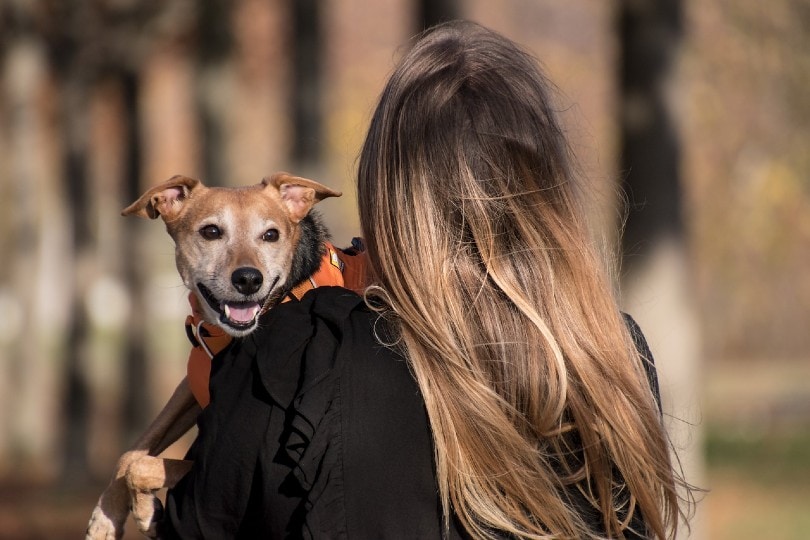
Image Source: www.dogster.com
Deciphering Canine Hair-Chewing Habits
Your dog’s behavior, including their interest in your hair, is a form of communication. Grasping these signals is key to addressing the root cause. Canine behavior patterns are complex, and what might seem like a simple nuisance can stem from a deep-seated need or instinct.
Sensory Exploration: A World of Texture and Scent
Dogs explore the world primarily through their mouths. Your hair offers a unique sensory experience.
- Texture: The soft, sometimes silky texture of hair can be appealing to a dog’s mouth. It’s different from their toys and can provide a novel sensation.
- Scent: Your hair carries your unique scent, which is incredibly important to your dog. It’s a direct connection to their favorite human. This can be comforting and reassuring.
Oral Fixation: A Natural Urge
Many dogs, especially those who were weaned too early or had limited opportunities for oral stimulation as puppies, can develop an oral fixation. This means they have a strong, innate need to chew and explore with their mouths.
- Puppyhood: Puppies explore their environment with their mouths, and this habit can sometimes carry into adulthood.
- Breed Predispositions: Certain breeds, known for their intelligence and need for stimulation, might be more prone to developing oral fixations if their needs aren’t met.
Boredom Chewing: When Minds and Bodies Aren’t Engaged
One of the most common reasons dogs chew is simply boredom chewing. If a dog isn’t receiving enough mental and physical stimulation, they’ll find ways to entertain themselves. Your hair can become an easy and accessible “toy.”
- Lack of Exercise: Insufficient physical activity can leave a dog with pent-up energy that they need to release.
- Mental Stimulation Deficit: A dog that isn’t challenged mentally can become bored. This includes a lack of training, puzzle toys, or interactive play.
Attention Seeking: The Power of a Reaction
Dogs are masters at learning what gets them attention. If chewing your hair results in you interacting with them, even if it’s to push them away, they’ve learned it’s an effective way to get you to notice them.
- Ignoring Other Behaviors: If you tend to overlook your dog when they are behaving calmly, they might resort to more attention-grabbing antics.
- Positive Reinforcement (Unintentional): Even a negative reaction can be perceived as positive attention by a dog.
Anxiety Behavior and Stress Relief: Coping Mechanisms
Hair chewing can be a symptom of anxiety behavior or a way for dogs to find stress relief. When dogs feel anxious, stressed, or overwhelmed, they may turn to repetitive behaviors, known as displacement behaviors, to cope.
- Separation Anxiety: Dogs with separation anxiety may chew your hair (or other items that smell like you) when left alone.
- Environmental Triggers: Loud noises, unfamiliar people, or changes in routine can induce stress.
- General Anxiety: Some dogs are naturally more anxious and may exhibit oral behaviors as a coping mechanism.
Teething Puppy: The Discomfort of Growing Pains
For puppies, hair chewing is often directly related to teething. As their adult teeth begin to erupt, their gums become sore and itchy. Chewing helps to alleviate this discomfort.
- Sore Gums: The pressure of chewing provides relief.
- Exploration: Puppies are also in a phase of intense exploration, and their mouths are their primary tools.
Grooming Instinct: Mimicking Pack Behavior
In a pack, dogs groom each other as a sign of affection and social bonding. Some scientists believe that your dog might be exhibiting a mild form of their grooming instinct when they lick or chew your hair.
- Affectionate Licking: Licking can be a precursor to chewing, and it’s often a sign of affection.
- Social Bonding: It’s a way for them to feel close to you.
Pica in Dogs: When Chewing Goes Beyond the Norm
While less common, excessive hair chewing, especially if it involves ingesting hair, could be a sign of pica in dogs. Pica is a condition characterized by the persistent eating of non-food items.
- Nutritional Deficiencies: Sometimes pica can be linked to underlying dietary issues.
- Medical Conditions: Certain gastrointestinal or neurological problems can also lead to pica.
Why Your Dog Prefers Your Hair
There are specific reasons why your hair becomes the target of their chewing behaviors.
The Scent Appeal
Your hair holds a concentrated amount of your personal scent. For dogs, who have an olfactory world vastly superior to ours, this scent is incredibly comforting and familiar. It’s like a security blanket made of your essence.
- Familiarity: Your scent is associated with safety, food, and love.
- Emotional Comfort: Chewing something that smells like you can be deeply reassuring, especially if they are feeling anxious or lonely.
The Texture Advantage
Compared to many dog toys, human hair offers a unique tactile experience.
- Softness: The softness of hair can be soothing to a dog’s gums and mouth.
- Fine Strands: The fine strands can be satisfying to grasp and manipulate with their teeth.
Proximity and Accessibility
Your hair is, by nature, very close to your face and head. When you’re sitting or lying down, your hair is often within easy reach, making it a readily available target for their chewing urges.
Common Scenarios and Solutions
Let’s break down specific situations and how to address them.
Scenario 1: The Playful Nibbler
Your dog gently tugs at your hair during playtime or when you’re relaxing.
Reasons:
* Attention seeking
* Boredom chewing
* Sensory exploration
Solutions:
- Redirect with Appropriate Toys: Keep a variety of chew toys readily available. When your dog starts to chew your hair, calmly redirect them to a toy. Praise them enthusiastically when they engage with the toy.
- Increase Playtime and Mental Stimulation: Ensure your dog gets enough daily exercise and mental engagement. A tired dog is a well-behaved dog. Consider puzzle toys, training sessions, or scent games.
- Teach a “Leave It” Command: This command is invaluable. Practice it with low-value items first, then gradually work up to more tempting things.
- Manage Proximity: If your dog is particularly persistent, consider gently moving them to a designated spot or redirecting their attention before they start the behavior.
Scenario 2: The Anxious Hair Chewer
Your dog chews your hair when you’re preparing to leave, when they hear a loud noise, or when they seem generally stressed.
Reasons:
* Anxiety behavior
* Stress relief
* Separation anxiety
Solutions:
- Address Underlying Anxiety: This is the most crucial step. If you suspect anxiety, consult a veterinarian or a certified professional dog trainer. They can help diagnose the specific type of anxiety and recommend appropriate treatment, which might include:
- Behavioral Modification: Desensitization and counter-conditioning techniques.
- Management Strategies: Creating a safe space, using calming aids like pheromone diffusers or anxiety wraps.
- Medication: In severe cases, a vet might prescribe anti-anxiety medication.
- Create a Safe and Predictable Routine: Dogs thrive on routine. Consistent feeding times, walks, and bedtime can reduce overall anxiety.
- Don’t Make Departures or Arrivals a Big Deal: Avoid overly emotional goodbyes or hellos, as this can heighten a dog’s anxiety about your absence.
- Provide Distraction During Stressful Events: If a storm is approaching, give your dog a high-value chew toy or a stuffed Kong to keep them occupied and redirect their focus.
Scenario 3: The Teething Puppy’s Obsession
Your young puppy seems to have a particular fondness for your hair.
Reasons:
* Teething puppy
* Oral fixation
* Exploration
Solutions:
- Provide Plenty of Puppy-Appropriate Chew Toys: Offer a variety of textures, including soft rubber toys, Nylabones, and frozen washcloths.
- Cool Relief: For sore gums, offer frozen KONGs filled with puppy-safe food or puppy-specific teething toys.
- Gentle Redirection: When your puppy chews your hair, gently remove them and immediately offer a suitable chew toy. Praise them when they chew the toy.
- Supervise Closely: Always supervise young puppies, especially when they are around your hair, to redirect them before the behavior becomes ingrained.
Scenario 4: The “Just Because” Chewer
Your dog chews your hair seemingly randomly, with no clear trigger.
Reasons:
* Oral fixation
* Boredom chewing
* Sensory exploration
Solutions:
- Environmental Enrichment: Ensure your dog’s environment is stimulating. This means rotating toys, providing puzzle feeders, and engaging in regular training sessions.
- Regular Exercise: A good long walk or a vigorous play session can do wonders for a dog’s overall well-being and reduce the urge to chew out of boredom.
- Chew Toy Rotation: Keep a variety of textures and types of chew toys available and rotate them frequently to keep them novel and interesting.
- Discourage the Behavior: If the chewing is persistent and you’ve ruled out anxiety or boredom, you can try to discourage it by calmly removing your hair from their mouth and redirecting them to a toy. Consistency is key.
Addressing Pica in Dogs
If you suspect your dog’s hair chewing might be a sign of pica in dogs, it’s critical to involve your veterinarian.
- Veterinary Examination: Your vet will perform a thorough physical examination to rule out underlying medical causes, such as gastrointestinal issues, nutritional deficiencies, or even neurological problems.
- Dietary Assessment: They may recommend a dietary review or blood tests to check for nutrient imbalances.
- Behavioral Consultation: If medical causes are ruled out, a certified applied animal behaviorist or a veterinary behaviorist can help address the behavioral components of pica.
Important Note: Never punish a dog for exhibiting pica. This can exacerbate anxiety and worsen the behavior. Focus on identifying and addressing the root cause.
Practical Tips for Management
Beyond addressing the root cause, there are practical steps you can take to manage and reduce hair chewing.
Hair Management Techniques
- Tie Your Hair Up: Keep your hair tied back in a bun, braid, or ponytail. This makes it less accessible.
- Wear Hats: When relaxing at home, consider wearing a soft hat or beanie. This provides a barrier.
- Use Hair Accessories: Bobby pins and hair clips can make your hair less appealing to chew on.
- Maintain Good Hair Hygiene: While not a direct solution, clean hair might be less enticing than oily or unkempt hair for some dogs.
Creating a Dog-Friendly Environment
- Chew Toy Stash: Have a variety of engaging chew toys readily available throughout your home.
- Puzzle Feeders: Use puzzle feeders for meals or treats. This provides mental stimulation and keeps their mouths busy.
- Designated “Chill Out” Zones: Create a comfortable, safe space for your dog where they can relax without feeling the need to seek attention or chew.
Training and Consistency
- Reinforce Positive Behaviors: Lavishly praise and reward your dog when they choose to chew their toys or exhibit calm behavior.
- Consistency is Key: Everyone in the household needs to be on the same page with redirection techniques. Inconsistency can confuse your dog.
- Positive Reinforcement Only: Focus on rewarding good behavior rather than punishing unwanted behavior.
When to Seek Professional Help
While many instances of hair chewing can be managed with behavioral modification and environmental enrichment, there are times when professional guidance is essential.
- Severe Anxiety: If your dog exhibits significant signs of distress, panic, or aggression when you attempt to manage the behavior.
- Ingestion of Hair: If your dog is ingesting hair, which could indicate pica and lead to gastrointestinal issues.
- Sudden Onset: If the behavior suddenly appears or dramatically increases, it could signal an underlying medical problem.
- Lack of Improvement: If you’ve tried various methods for an extended period without seeing any improvement.
A veterinarian, a certified professional dog trainer (CPDT-KA or CPDT-KSA), or a veterinary behaviorist can provide tailored strategies and support.
Frequently Asked Questions (FAQ)
Q1: Is it normal for my dog to chew my hair?
A1: Yes, it can be normal for dogs to chew hair, but it’s important to identify the underlying reason. It can be a sign of affection, boredom, anxiety, or exploration.
Q2: Can I stop my dog from chewing my hair?
A2: Yes, you can significantly reduce or stop the behavior by addressing the root cause and employing redirection techniques, environmental enrichment, and consistent training.
Q3: My puppy chews my hair all the time. What should I do?
A3: For puppies, this is often related to teething and exploration. Provide a variety of appropriate chew toys, offer cool relief for sore gums, and gently redirect them to their toys when they chew your hair.
Q4: My dog chews my hair when I leave the house. Is this separation anxiety?
A4: It’s a strong possibility. Hair chewing, especially items that smell like you, is a common behavior seen in dogs with separation anxiety. It’s advisable to consult a veterinarian or a professional trainer to diagnose and manage separation anxiety.
Q5: What if my dog is eating my hair? Is that dangerous?
A5: If your dog is ingesting hair, it could be a sign of pica, which can lead to gastrointestinal blockages. This is a serious concern that requires immediate veterinary attention.
Conclusion
Your dog chewing your hair is a complex behavior that, while sometimes perplexing, offers valuable insights into their emotional and physical state. By carefully observing when and how this happens, you can begin to decipher the message your dog is trying to send. Whether it’s a bid for attention, a response to boredom, a manifestation of anxiety, or simply a part of their oral exploration, there are effective, humane solutions. Remember that consistency, patience, and positive reinforcement are your greatest allies in fostering a harmonious relationship with your furry companion. If you’re struggling to pinpoint the cause or implement solutions, don’t hesitate to seek professional guidance from a veterinarian or a qualified dog behaviorist.