
Starting a doggie daycare business means you’ll need a solid plan. This plan will guide you through every step, from initial idea to a thriving business. Can you make money with a doggie daycare? Yes, with careful planning and dedicated effort, a doggie daycare can be a profitable venture. What is a doggie daycare? It’s a safe, supervised place where dogs can socialize, play, and exercise while their owners are at work or away. This article will provide a comprehensive guide for your doggie daycare startup.
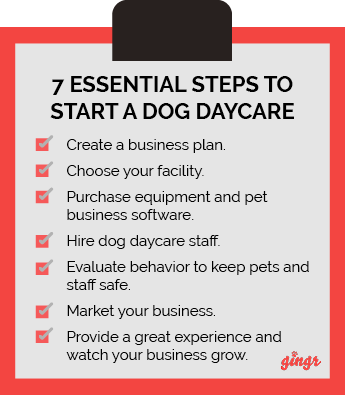
Image Source: www.gingrapp.com
Laying the Groundwork: Your Business Blueprint
Before you even think about buying toys or hiring staff, you need a robust pet care business plan. This document is your roadmap, detailing your vision, market analysis, operational strategy, and financial projections. It’s essential for securing funding and staying on track.
Market Research: Knowing Your Territory
Understanding Your Competition:
* Identify Existing Doggie Daycares: Who are your competitors in the area? What services do they offer? What are their prices?
* Analyze Their Strengths and Weaknesses: What do they do well? Where could they improve? This gives you an edge.
* Identify Gaps in the Market: Are there services not being offered? Are there specific breeds or dog needs that aren’t being catered to? This is your opportunity.
Identifying Your Target Audience:
* Who are the dog owners in your area? What are their demographics? Their income levels?
* What are their needs and preferences? Do they prioritize socialization, exercise, or specialized care?
* Are there specific owner groups you can target? For instance, busy professionals, families with young children, or seniors.
Defining Your Services: More Than Just Playtime
A successful canine daycare setup goes beyond just letting dogs run around. Offering a variety of services can attract a wider customer base and increase revenue.
Core Doggie Daycare Services:
- Full-Day Care: The primary service, offering supervised play and rest periods.
- Half-Day Care: A shorter option for dogs that might not need a full day of activity.
- Puppy Daycare Startup: Specialized programs for puppies, focusing on early socialization, basic training, and development. This is a crucial niche.
Ancillary Services to Consider:
- Dog Boarding Startup: Offering overnight stays for dogs. This can complement daycare services significantly.
- Canine Exercise Services: Dedicated sessions for high-energy dogs, like long walks or agility play.
- Dog Grooming Business: A full-service grooming salon can be a major draw. Even a basic bath and brush service is beneficial.
- Dog Obedience Training: Offering group classes or private sessions can be a valuable addition.
- Pet Sitting Startup: In-home pet sitting services can appeal to owners who prefer their pets to stay in their own environment.
- Retail Area: Selling high-quality dog food, treats, toys, and accessories.
Naming Your Business: First Impressions Matter
Choose a name that is memorable, professional, and reflects your brand.
- Check for Availability: Ensure the name is available as a business name, domain name, and on social media.
- Reflect Your Services: Does the name suggest a fun, safe, or specialized environment?
Legalities and Logistics: Building a Solid Foundation
Navigating the legal and logistical aspects is crucial for any dog boarding startup.
Business Structure: Choosing the Right Path
- Sole Proprietorship: Simple to set up, but personal assets are at risk.
- Partnership: Shared responsibility, but potential for disagreements.
- Limited Liability Company (LLC): Offers personal asset protection and flexibility. This is often a good choice for pet care businesses.
- Corporation: More complex, but offers the most liability protection.
Licenses and Permits: Staying Compliant
- Business License: Required by your city or county.
- Zoning Permits: Ensure your chosen location is zoned for animal services.
- Health and Safety Permits: Depending on your location, you may need permits related to animal care and facility sanitation.
- Insurance: Absolutely essential.
Insurance: Protecting Your Business
Types of Insurance to Consider:
- General Liability Insurance: Covers accidents and injuries to third parties.
- Professional Liability Insurance (Errors & Omissions): Protects against claims of negligence in services provided (e.g., if a dog is injured due to supervision).
- Workers’ Compensation Insurance: If you have employees, this covers their medical expenses and lost wages if injured on the job.
- Property Insurance: Covers damage to your facility and its contents.
- Care, Custody, and Control Insurance: Specifically for businesses that care for animals, covering injury or death of pets in your care.
Choosing a Location: The Heart of Your Operation
Your facility is central to your canine daycare setup.
Key Location Factors:
- Accessibility: Easy for clients to reach.
- Visibility: A well-placed location can attract walk-in customers.
- Space: Sufficient indoor and outdoor space is vital.
- Zoning: Must be zoned for animal services.
- Outdoor Space: Secure, fenced outdoor areas for play are essential. Consider different zones for different dog sizes and energy levels.
- Indoor Space: Clean, well-ventilated, and easy-to-sanitize areas for rest, play, and grooming.
- Separation Areas: Designate areas for puppies, senior dogs, or dogs with specific needs to prevent stress or conflict.
Facility Design and Setup: Creating a Safe Haven
The physical space must be designed with the well-being and safety of the dogs in mind. This is a critical part of your doggie daycare startup.
Indoor Layout:
- Reception Area: Welcoming space for clients, with secure entry/exit points.
- Play Areas: Durable flooring, easy to clean, with various enrichment activities.
- Rest Areas: Quiet, comfortable spaces for dogs to relax.
- Feeding Areas: Separate spaces to prevent resource guarding.
- Kennels/Crats: For dogs who need a break or for temporary confinement.
- Grooming Area (if applicable): Waterproof surfaces, grooming tables, tubs.
- Office/Storage: For supplies, records, and administrative tasks.
Outdoor Layout:
- Secure Fencing: High-quality, no-climb fencing at an appropriate height. Double-gated entry systems are crucial for preventing escapes.
- Surface Material: Consider durable, easy-to-clean, and comfortable surfaces like artificial turf, pea gravel, or wood chips, depending on climate and preference.
- Shade and Shelter: Provide areas for protection from sun and rain.
- Water Access: Fresh water stations.
- Play Structures: Tunnels, ramps, and other safe climbing or hiding structures.
Safety and Sanitation: Non-Negotiables
- Non-Toxic Materials: All cleaning supplies and facility materials should be safe for dogs.
- Ventilation: Excellent air circulation to prevent the spread of airborne illnesses.
- Disinfection Protocols: Strict cleaning schedules for all areas, toys, and equipment. Use veterinary-grade disinfectants.
- First-Aid Station: Well-stocked with pet-specific first-aid supplies.
- Emergency Preparedness: A plan for power outages, fires, or other emergencies.
Staffing Your Doggie Daycare: The Human Element
Your staff are the frontline of your pet care business. Hiring the right people is paramount for your doggie daycare startup.
Hiring Criteria:
- Experience with Animals: Previous work in kennels, vet clinics, or grooming salons is highly valued.
- Dog Behavior Knowledge: Ability to read dog body language and manage group dynamics.
- Reliability and Responsibility: You are entrusting them with valuable pets.
- Customer Service Skills: Friendly and professional interaction with clients.
- Physical Stamina: The job can be physically demanding.
- Passion for Animals: This should be their driving force.
Staff Roles:
- Daycare Attendants: Direct supervision and interaction with the dogs.
- Facility Manager: Oversees daily operations, staff, and client relations.
- Groomer (if applicable): Professional grooming services.
- Trainer (if applicable): Conducting obedience classes.
Training and Development:
- Dog Behavior and Handling: Ongoing training in group management, conflict resolution, and recognizing stress signals.
- First Aid and CPR for Dogs: Essential for handling emergencies.
- Sanitation and Safety Protocols: Ensuring all staff follow procedures correctly.
- Customer Service Training: For front-desk staff and all client-facing roles.
Operational Procedures: The Daily Rhythm
Well-defined procedures ensure smooth operations and consistent care. This is key for successful pet facility management.
Daily Schedule:
- Drop-off and Check-in: Efficient and organized process.
- Group Play Sessions: Divided by size, temperament, and energy level.
- Rest Periods: Scheduled quiet times.
- Feeding Times: Individualized as per owner instructions.
- Potty Breaks: Regular intervals.
- Pick-up: Organized and efficient.
Client Communication:
- Intake Forms: Comprehensive information about each dog’s history, health, temperament, and owner preferences.
- Daily Reports: Briefly inform owners about their dog’s day (e.g., played well, ate well, potty status).
- Incident Reports: Detailed documentation of any behavioral issues, injuries, or health concerns.
- Transparency: Open communication about any challenges or successes.
Health and Safety Protocols:
- Vaccination Requirements: Mandate current vaccinations (rabies, distemper, parvovirus, bordetella).
- Parasite Control: Require regular flea and tick prevention.
- Health Screenings: Observe dogs daily for any signs of illness or injury.
- Quarantine Procedures: Isolate any dog showing signs of illness immediately.
- Emergency Contact Information: Maintain up-to-date owner contact details and veterinary information.
Marketing Your Doggie Daycare: Attracting Your Pack
Even the best doggie daycare startup needs to be seen. Effective marketing brings clients through your doors.
Branding:
- Logo and Visual Identity: Professional and appealing.
- Website: Informative, easy to navigate, with photos and service details.
- Social Media Presence: Engage with potential clients, share photos and videos of happy dogs.
Marketing Strategies:
- Local Partnerships: Collaborate with veterinarians, pet stores, groomers, and dog trainers.
- Grand Opening Event: Generate buzz and attract initial clients.
- Referral Programs: Encourage existing clients to refer new ones.
- Online Advertising: Local SEO, Google Ads, social media ads.
- Content Marketing: Blog posts, articles, or videos about dog care, training tips, and the benefits of daycare.
- Community Involvement: Sponsor local pet events or participate in adoption drives.
Financial Planning: The Bottom Line
A clear financial plan is essential for sustainability and growth.
Startup Costs:
- Facility Lease or Purchase
- Renovations and Setup
- Licenses and Permits
- Insurance Premiums
- Equipment (crates, beds, toys, cleaning supplies, grooming tools)
- Initial Marketing and Advertising
- Working Capital
Revenue Streams:
- Doggie Daycare Fees (full-day, half-day)
- Dog Boarding Fees
- Grooming Services
- Training Class Fees
- Retail Sales
- Add-on Services (e.g., specialized walks, cuddle time)
Pricing Your Services:
- Competitive Analysis: Research what competitors charge.
- Value Proposition: What makes your services worth the price?
- Cost-Plus Pricing: Calculate your costs and add a profit margin.
- Tiered Pricing: Offer different packages or levels of service.
Financial Projections:
- Sales Forecasts: Estimate revenue based on projected client numbers and service usage.
- Expense Budgets: Detail all anticipated operating costs.
- Cash Flow Projections: Track money coming in and going out.
- Profit and Loss Statements: Project profitability over time.
Frequently Asked Questions (FAQ)
Q1: How much does it cost to start a doggie daycare?
A1: Startup costs can range widely, from $10,000 to $100,000 or more, depending on location, size, services offered, and whether you lease or buy a facility. Major expenses include rent/mortgage, renovations, insurance, equipment, and initial marketing.
Q2: What qualifications do I need to run a doggie daycare?
A2: While formal degrees aren’t always required, extensive experience with dogs, knowledge of canine behavior, first aid and CPR certification for pets, and strong business management skills are highly beneficial.
Q3: How do I ensure the safety of dogs in my care?
A3: Safety is paramount. Implement strict protocols for supervision, group play management, facility security (double-gating, secure fencing), sanitation, and emergency preparedness. Staff training in canine behavior and first aid is critical.
Q4: What insurance is essential for a doggie daycare business?
A4: Essential insurance includes General Liability, Professional Liability (Care, Custody, and Control), Workers’ Compensation (if you have employees), and Property Insurance.
Q5: How do I market my doggie daycare to attract clients?
A5: Effective marketing includes building a strong online presence (website, social media), local partnerships (vets, pet stores), referral programs, community involvement, and potentially offering introductory discounts or events.
Q6: Can I offer dog boarding and daycare together?
A6: Yes, offering both dog boarding and daycare services is a common and often profitable combination. It provides a comprehensive service offering for pet owners.
Q7: What is the difference between a puppy daycare startup and a general doggie daycare?
A7: A puppy daycare startup focuses on the unique needs of young puppies, emphasizing socialization, basic manners, and development in a controlled and safe environment, often with separate playgroups and specialized programming. General doggie daycare serves dogs of all ages.
This comprehensive plan provides a solid foundation for launching your own successful doggie daycare business. Remember, passion for animals, coupled with meticulous planning and execution, will pave the way to a rewarding career in pet care.