
Can you stop a dog from peeing on the carpet? Yes, with patience, consistency, and the right methods, you absolutely can stop your dog from peeing on the carpet. It’s a common problem that many dog owners face, but it’s not an insurmountable one. Whether you’re dealing with a new puppy or an older dog with a sudden habit, the key lies in house training and addressing the root cause. This guide will walk you through everything you need to know to keep your carpets clean and your dog well-behaved.
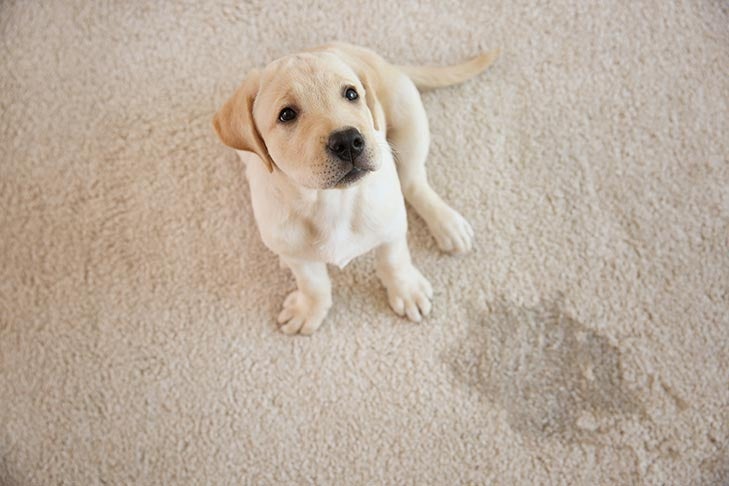
Image Source: www.akc.org
Why is My Dog Peeing on the Carpet?
Before we can fix the problem, we need to understand why it’s happening. Dogs don’t pee on the carpet to be naughty; there’s usually a reason behind their actions.
Common Causes of Indoor Urination
- Incomplete House Training: This is the most frequent reason, especially for puppies. They are still learning where it’s appropriate to go.
- Medical Issues: Urinary tract infections (UTIs), kidney problems, diabetes, and incontinence can all lead to accidents. If your dog suddenly starts peeing indoors, a vet visit is crucial.
- Anxiety or Fear: Stress from separation anxiety, loud noises (like fireworks), or changes in the household can cause dogs to urinate indoors.
- Marking Behavior: Unspayed females in heat or unneutered males may mark territory inside the house. Even neutered or spayed dogs can mark if they feel insecure or if there are new pets in the home.
- Submissive or Excitement Urination: Some dogs pee a little when they are overly excited or feel submissive to a person or another animal.
- Lack of Regular Potty Breaks: If a dog isn’t given enough opportunities to go outside, they’ll eventually have an accident.
- Changes in Routine or Environment: Moving to a new home, a new pet joining the family, or a change in your work schedule can all be disruptive and lead to accidents.
Getting Started: Essential Tools and Preparation
To effectively tackle carpet accidents, having the right supplies on hand is a must.
What You’ll Need for Success
- Enzymatic Cleaner: This is non-negotiable. Regular cleaners won’t remove the urine odor completely, and dogs can smell residual scent and return to the same spot. An enzymatic cleaner breaks down the odor-causing molecules.
- Paper Towels: For immediate cleanup.
- Gloves: To keep your hands clean.
- A Good Attitude: Patience is your most important tool.
- High-Value Treats: Small, tasty treats that your dog absolutely loves, to reward good behavior.
- Leash: For supervised potty breaks.
- Crate: If you are using crate training, this will be essential.
The House Training Process: A Step-by-Step Guide
Effective house training is the cornerstone of preventing carpet peeing. It requires consistency and a clear understanding of your dog’s needs.
Establishing a Routine
A predictable schedule is key to successful potty training.
- Frequent Potty Breaks:
- Puppies: Need to go out very frequently. Think every 1-2 hours initially, and always after waking up, after playing, and after eating or drinking.
- Adult Dogs: Even well-trained adult dogs benefit from a regular schedule. Aim for at least 3-4 times a day, plus first thing in the morning and last thing at night.
- Designated Potty Spot: Choose a specific area in your yard for your dog to eliminate. Take them to this spot on a leash.
- Verbal Cue: As your dog is peeing or pooping, use a consistent, calm cue word like “Go potty” or “Do your business.”
- Immediate Reward: The moment your dog finishes, praise them enthusiably and give them a high-value treat. This positive reinforcement is crucial.
- Supervision: When you are inside, keep your dog supervised at all times. If you can’t watch them directly, a crate or a small, enclosed area is best.
- Recognizing Signs: Learn your dog’s pre-potty signals. These might include sniffing the ground intently, circling, whining, or heading towards a door.
What to Do During an Accident
Accidents will happen, especially during the learning phase. How you handle them makes a big difference.
- Catch Them in the Act: If you see your dog starting to pee indoors, interrupt them with a sharp, calm noise (like a clap or a gentle “Ah-ah!”) and immediately take them outside to their designated potty spot.
- If They Finish Outside: Praise and reward them if they finish their business in the correct spot.
- If You Find an Accident Later: Do NOT punish your dog. They won’t connect the punishment with the accident that happened earlier. Rubbing their nose in it or yelling is counterproductive and can make them fearful of you and of peeing in front of you, even outside.
- Thorough Cleaning: This is where accident cleaning and urine odor removal are critical.
The Art of Accident Cleaning and Urine Odor Removal
Properly cleaning up accidents is vital to prevent your dog from returning to the same spot.
Step-by-Step Cleanup
- Blot, Don’t Rub: Use paper towels to soak up as much urine as possible. Blotting is more effective than rubbing, which can spread the liquid deeper into the carpet fibers and padding.
- Apply Enzymatic Cleaner: Generously apply an enzymatic cleaner to the affected area. Follow the product instructions carefully, as some require soaking for a period before blotting or rinsing. These cleaners are designed to break down the organic compounds in urine that cause odor.
- Allow to Dry: Let the area air dry completely. You may need to keep your dog away from the spot until it’s fully dry.
- Repeat if Necessary: For stubborn odors, you might need to repeat the cleaning process. Ensure you’ve treated the entire affected area, including any padding beneath the carpet.
- Check for Odor: Once dry, sniff the area. If you can still detect any urine smell, your dog likely can too, and it needs further cleaning.
Why Standard Cleaners Fail
Many household cleaners, even those marketed for pet messes, don’t effectively eliminate the urine odor. They might mask it temporarily, but the microscopic scent molecules remain, attracting your dog back to the spot. Urine odor removal requires specialized products like enzymatic cleaners.
Addressing Specific Situations
Sometimes, general house training needs adjustments for specific issues.
Dealing with Marking Behavior
- Neutering/Spaying: For male dogs, neutering can significantly reduce marking behavior. For females, spaying eliminates behaviors related to heat cycles.
- Clean Thoroughly: Ensure all previously marked areas are meticulously cleaned with an enzymatic cleaner.
- Supervise Closely: Prevent your dog from having the opportunity to mark indoors.
- Rule Out Anxiety: If marking is excessive, it might be linked to anxiety.
- Consider Vertical Surfaces: If your dog is marking vertical surfaces, a spray bottle with water (used as a distraction, not punishment) might help deter them, but always follow up with appropriate cleaning.
Managing Submissive or Excitement Urination
- Avoid Direct Eye Contact: When greeting your dog, try not to loom over them or make intense eye contact, which can be perceived as threatening.
- Greet Calmly: Ask visitors to do the same. Let your dog approach them first.
- Don’t Punish: Never punish a dog for this type of urination. It will only worsen the anxiety.
- Build Confidence: Gradually expose your dog to situations that make them feel anxious or excited in a controlled manner, rewarding calm behavior.
- Manage Excitement: When you come home, greet your dog calmly. Ignore them for the first few minutes until they have settled down.
The Role of Crate Training
Crate training is a powerful tool for house training and preventing accidents, but it must be done correctly.
- Den Instinct: Dogs naturally try to keep their sleeping area clean. A crate, when used properly, taps into this instinct.
- How it Works: When you can’t supervise your dog directly, place them in a crate. This prevents them from having accidents around the house.
- Crate Size: The crate should be large enough for your dog to stand up, turn around, and lie down comfortably, but not so large that they can use one end as a toilet and sleep in the other.
- Never Use as Punishment: The crate should be a safe and positive space, never a place for punishment.
- Gradual Introduction: Introduce the crate gradually with positive reinforcement (treats, toys).
When to Consider Dog Pee Pads
Dog pee pads can be a useful tool, especially for:
- Very Young Puppies: Before they have full bladder control and can go outside consistently.
- Senior Dogs: With incontinence issues.
- Dogs with Medical Conditions: That require limited mobility.
- Apartment Dwellers: Who may have difficulty getting outside quickly.
However, be aware of potential downsides:
- Confusing for House Training: If not used carefully, dog pee pads can teach dogs that it’s acceptable to go indoors, which can make final house training more difficult.
- Preference for Indoor Surfaces: Some dogs may develop a preference for eliminating on soft surfaces like carpets and dog pee pads, making the transition to outdoors harder.
If you use pee pads, place them in a designated spot and transition to taking your dog outside regularly as soon as they are able.
Retraining Your Dog: When Habits Need Breaking
Sometimes, even well-trained dogs develop unwanted habits. Retraining is the process of re-establishing good behaviors.
Steps for Effective Retraining
- Go Back to Basics: Treat your dog as if they are a puppy going through house training again. Increase the frequency of potty breaks.
- Intensify Supervision: Watch your dog like a hawk. Any lapse in supervision can lead to an accident.
- Increase Rewards: Be generous with praise and treats for every successful potty break outdoors.
- Identify Triggers: If the peeing is sudden, try to pinpoint what changed in your dog’s environment or routine. Address the underlying cause.
- Consult a Professional: If you’re struggling, don’t hesitate to seek help.
When to Call in the Experts
If you’ve tried everything and your dog continues to pee on the carpet, it might be time to consult a professional.
Seeking Professional Help
- Veterinarian: As mentioned, the first step for any sudden change in behavior, especially elimination issues, should be a veterinary check-up to rule out medical causes.
- Certified Professional Dog Trainer (CPDT): A good trainer can assess your dog’s behavior and provide tailored advice and training plans.
- Dog Behaviorist: For complex issues like severe anxiety, fear-based urination, or persistent marking, a dog behaviorist (often a veterinary behaviorist or a highly experienced trainer with a specialization) can be invaluable. They can help decipher the root cause of the behavior and develop a treatment plan.
Preventing Future Accidents: A Proactive Approach
Once you’ve achieved success, maintaining a pristine carpet requires ongoing vigilance.
Key Strategies for Prevention
- Maintain a Routine: Stick to regular potty breaks.
- Supervise Visitors: If your dog tends to get overexcited with guests, manage their interactions.
- Manage Anxiety: If your dog has separation anxiety or fear, work on desensitization and counter-conditioning.
- Regular Vet Check-ups: Ensure no underlying health issues arise.
- Consistent Training: Reinforce good behavior regularly.
Table: Common Pitfalls to Avoid
| Pitfall | Why It’s a Problem | How to Avoid It |
|---|---|---|
| Punishing After the Fact | Dog won’t associate punishment with the action. | Clean accidents without punishment. Only interrupt if caught in the act and immediately take outside. |
| Inconsistent Potty Schedule | Confuses the dog about when it’s time to go. | Establish a strict, regular schedule for potty breaks. |
| Inadequate Cleaning | Residual odor encourages repeat offenses. | Always use an enzymatic cleaner for thorough accident cleaning and urine odor removal. |
| Lack of Supervision | Allows opportunities for accidents to occur. | Keep your dog in sight or use crate training or confined spaces when unsupervised. |
| Over-reliance on Pee Pads | Can confuse house training and lead to indoor preference. | Use sparingly for necessary situations. Prioritize outdoor potty training and gradually phase out pads. |
| Ignoring Medical Causes | Delays proper treatment for underlying health issues. | If accidents are sudden or persistent, consult a veterinarian immediately. |
| Over-correction/Harshness | Creates fear and anxiety, worsening behavior. | Use positive reinforcement, patience, and calm communication. |
Frequently Asked Questions (FAQ)
How long does house training take?
The time it takes varies greatly depending on the dog’s age, breed, temperament, and the consistency of the training. Puppies might take a few weeks to a few months. Older dogs may learn quickly if the issue is simply a lack of proper training, or it might take longer if there are behavioral or medical components. Patience and consistency are key.
My dog is fully house trained but suddenly started peeing on the carpet. What could be wrong?
This often indicates a change. First, rule out medical issues with a vet visit. If health isn’t the cause, consider recent changes in the environment, routine, stress, anxiety, or a new social dynamic in the household. Retraining and addressing the underlying cause will be necessary.
Can a dog behaviorist help if my dog has anxiety that causes them to pee indoors?
Absolutely. Dog behaviorists are experts in diagnosing and treating behavioral issues, including anxiety-related urination. They can develop a comprehensive plan that may include environmental management, training techniques, and sometimes medication.
What’s the best way to clean up dog urine from a carpet without an enzymatic cleaner?
While an enzymatic cleaner is highly recommended for effective urine odor removal, if you have absolutely no other option immediately, you can try a mixture of white vinegar and water (1:1 ratio) to blot the area. However, this is less effective than enzymatic cleaners at breaking down the odor molecules. You must follow up with an enzymatic cleaner once you can get one.
Is crate training cruel?
No, crate training, when done correctly, is not cruel. It provides dogs with a safe, den-like space. It’s a tool for safety, preventing destructive behaviors, and aiding in house training. The key is to make the crate a positive experience and never use it for punishment.
By applying these principles of consistent house training, meticulous accident cleaning, appropriate retraining strategies, and seeking professional guidance when needed, you can successfully stop your dog from peeing on the carpet and enjoy a cleaner, happier home.