
Can a dog pee after surgery? Yes, dogs can and should urinate after surgery. It’s a vital sign of recovery. If your dog is having trouble passing urine post-operation, it can be a concerning sign. This guide will help you encourage your canine companion to urinate after surgery, covering common reasons for difficulty, and practical steps to help them.
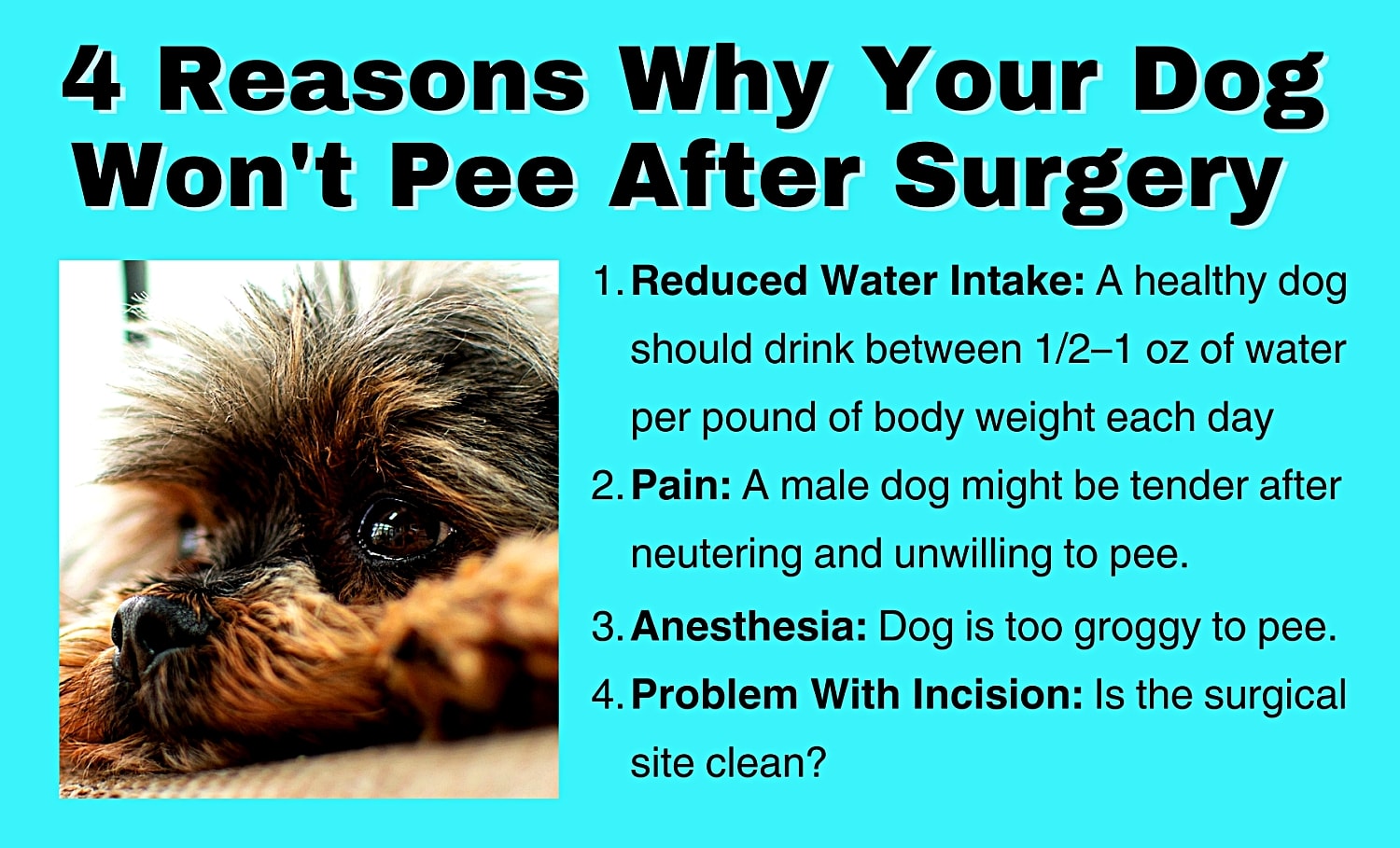
Image Source: pethelpful.com
Why Your Dog Might Struggle to Urinate Post-Surgery
Several factors can contribute to a dog’s difficulty in urinating after surgery. The stress of the procedure, anesthesia effects, pain, medication, and even the type of surgery itself can play a role. A veterinarian will monitor your dog closely for this, but knowing these potential causes can help you be a more informed caregiver.
Anesthesia’s Lingering Effects
Anesthesia, while essential for surgery, can temporarily suppress normal bodily functions, including the ability to urinate. The drugs can affect the nervous system’s control over the bladder and the muscles involved in urination. Your dog might feel groggy, disoriented, and simply not have the urge or physical capacity to empty their bladder.
Pain and Discomfort
Post-operative pain is a significant factor. If your dog is uncomfortable or in pain, they may be reluctant to move into a position that facilitates urination. This discomfort can stem from the surgical site itself, internal sensations, or even pain medication side effects.
Urinary Tract Issues Related to Surgery
In some cases, the surgery itself might directly affect the urinary tract. Procedures involving the abdomen, pelvis, or reproductive organs can lead to temporary swelling, bruising, or nerve irritation that impedes urination. For example, surgeries on the bladder, urethra, or prostate can directly impact post-surgery urination.
Medication Side Effects
The medications administered during and after surgery can also have side effects. Some pain relievers can cause constipation or sedation, both of which can indirectly affect bladder function. Antibiotics, while crucial for preventing infection, can sometimes cause gastrointestinal upset, which might make your dog feel generally unwell and less inclined to urinate.
Dehydration
If your dog isn’t drinking enough after surgery, they may not produce enough urine. This can be due to nausea, pain, or simply being too tired to move to their water bowl. Dehydration can concentrate urine, making it more difficult to pass.
Bladder Retention
Sometimes, the bladder may not empty completely, a condition known as urinary retention. This can happen if the muscles controlling bladder emptying aren’t functioning properly due to anesthesia or nerve issues. This is a serious concern that requires veterinary attention.
Signs Your Dog Needs to Urinate
Observing your dog’s behavior is key to recognizing when they need to go. Even if they can’t urinate freely, they might show signs of discomfort.
Behavioral Clues
- Restlessness: Pacing, shifting weight, or an inability to settle down.
- Vocalization: Whining, whimpering, or crying.
- Straining: Attempting to urinate but producing little or no urine, or straining without success.
- Frequent attempts: Going to the usual potty spot repeatedly without results.
- Licking the genital area: This can indicate discomfort or an urge to urinate.
- Accidents indoors: Urinating in their bed or in inappropriate places, which can be a sign of inability to control their bladder or pain.
Physical Signs
- Distended abdomen: A swollen or firm belly can indicate a full bladder that cannot be emptied.
- Lethargy: While some lethargy is expected after surgery, a sudden worsening or extreme lack of energy might be related to discomfort from a full bladder.
Encouraging Your Dog to Pee: Practical Strategies
The goal is to create a comfortable and supportive environment that prompts your dog to urinate. Always consult your veterinarian before trying any new methods, especially if your dog is still recovering from anesthesia.
Creating a Calm and Comfortable Environment
A stressed dog will have a harder time relaxing their muscles, including those involved in urination.
- Quiet space: Ensure your dog has a quiet, comfortable place to rest away from excessive noise and activity.
- Soft bedding: Provide a soft, clean bed. This makes it more inviting for them to lie down and potentially get up to go.
- Familiar scents: Having their favorite blanket or toy nearby can offer comfort.
Gentle Encouragement and Positioning
Sometimes, a little help with positioning can make all the difference.
- Supportive posture: For some dogs, especially those with mobility issues post-surgery, you might need to gently support their hindquarters to help them stand.
- Elevated surface (if appropriate): For some dogs, a slight elevation like a low ramp or a mat can make it easier to posture for urination. Discuss this with your vet, as it depends on the surgery.
- Familiar potty spot: Take your dog to their usual outdoor potty area. The familiar smells can trigger the urge.
Hydration is Key
Adequate fluid intake is crucial for urine production.
- Offer small amounts of water frequently: Don’t let your dog guzzle large amounts at once, especially if they are still feeling nauseous from anesthesia.
- Hydrating foods: If your dog is eating, consider adding a small amount of low-sodium chicken broth or water to their food to increase fluid intake.
- Wet food: Switching to wet food can significantly boost hydration.
Stimulating Urination in Dogs
When direct encouragement isn’t enough, certain stimuli can help.
- Warm compress: Gently applying a warm, damp cloth to your dog’s lower abdomen can sometimes relax the muscles and encourage urination. Ensure the cloth is not too hot.
- Gentle abdominal massage: A very light massage in the area above the bladder (towards the belly, below the naval) might help. Crucially, do not press hard or in a way that causes discomfort. Always be gentle and stop if your dog shows any signs of pain.
- Sound of running water: Some dogs respond to the sound of running water. You can try turning on a faucet in a nearby sink or bathroom while your dog is in a suitable potty position.
- Familiar routine: If your dog is accustomed to a specific walk or routine for potty breaks, try to stick to it as closely as possible, even if it’s just a short trip outside.
What to Avoid
- Forcing: Never force your dog to urinate or put them in uncomfortable positions. This will only increase their stress and reluctance.
- Punishment: Punishing accidents will not help and can damage your bond with your dog, making them more anxious about pottying.
- Over-excitement: While you want to be encouraging, avoid overly boisterous praise or play right before or during a potty attempt, as this can be distracting.
Post-Operative Urinary Issues: When to Seek Veterinary Help Immediately
While these strategies can be helpful, it’s important to know when professional veterinary intervention is necessary. Prompt action is crucial to prevent complications like bladder rupture or kidney damage.
Red Flags to Watch For
- Inability to urinate for more than 24 hours: This is a critical timeframe. If your dog hasn’t urinated at all in a full day post-surgery, contact your vet immediately.
- Straining to urinate with no success: If your dog is repeatedly trying to pee but only managing a few drops or nothing at all, it could indicate a blockage or severe retention.
- Visible distress or pain: If your dog appears to be in significant pain, crying, or seems extremely uncomfortable, it could be related to bladder issues.
- Lethargy and lack of appetite: While some recovery fatigue is normal, a significant decline in energy or refusal to eat or drink, combined with difficulty urinating, warrants urgent attention.
- Bloody urine or difficulty starting urination: Even small amounts of blood or a significant struggle to initiate urine flow should be reported to your vet.
- Firm, distended abdomen: If your dog’s belly feels noticeably tight and swollen, it could be a sign of a very full bladder.
Veterinary Interventions for Post-Op Urinary Issues
Your veterinarian has a range of tools and techniques to address post-operative urinary issues and promote bladder emptying after surgery.
- Physical examination: The vet will assess your dog’s hydration, palpate their abdomen to check bladder size and tension, and evaluate for pain.
- Urinary catheterization: This is a common procedure where a soft tube (catheter) is inserted into the urethra and bladder to drain urine. This can relieve immediate pressure and allow the bladder to empty. It can also help by keeping the bladder from overstretching, potentially aiding in recovery of its tone.
- Medications:
- Diuretics: Drugs like furosemide can increase urine production to help flush the system, but are used cautiously post-surgery.
- Alpha-blockers: Medications such as phenoxybenzamine can help relax the muscles of the bladder neck and urethra, making urination easier.
- Cholinergic agonists: Drugs like bethanechol can help stimulate bladder muscle contractions, aiding in stimulating urination in dogs.
- Fluid therapy: Intravenous (IV) fluids are often administered to ensure adequate hydration and support kidney function, which is crucial for urine production.
- Pain management: Effective pain relief is paramount. If pain is the barrier to urination, better pain control can allow your dog to relax and urinate.
- Diagnostic imaging: X-rays or ultrasound might be used to check for blockages, stones, or other structural issues affecting the urinary tract.
Supporting Your Dog’s Bladder Health Long-Term
After a difficult period of post-surgery urination, supporting your dog’s bladder support for dogs after surgery is important.
Maintaining Hydration
Consistent access to fresh water is fundamental. Encourage drinking by:
- Keeping water bowls clean and full.
- Trying different types of bowls (ceramic, stainless steel, or even a fountain).
- Adding a little low-sodium chicken or beef broth to their water occasionally for flavor.
Diet Considerations
A balanced diet is key for overall health, including urinary tract health.
- High-quality food: Choose a reputable brand of dog food appropriate for your dog’s age and activity level.
- Hydrating foods: As mentioned, wet food can be beneficial.
- Specific urinary diets: In some cases, particularly if there’s a history of urinary crystals or infections, your vet may recommend a prescription urinary diet.
Regular Potty Breaks
Even once your dog is fully recovered, maintaining a regular schedule for potty breaks can help prevent urinary issues.
- Consistency: Aim for predictable times for walks and potty opportunities.
- Observe habits: Pay attention to your dog’s usual urination patterns.
Monitoring for Recurrence
Be vigilant for any signs that suggest a return of urinary difficulties, such as straining, frequent attempts, or accidents. Early detection and intervention are always best.
Table: Factors Affecting Post-Surgery Urination
| Factor | Impact on Urination | Management Strategies |
|---|---|---|
| Anesthesia | Suppresses nervous system control; causes grogginess. | Allow ample recovery time; gentle encouragement; hydration. |
| Pain/Discomfort | Reluctance to move or posture; muscle tension. | Effective pain management; comfortable resting area; gentle support if needed. |
| Surgical Site | Swelling, bruising, nerve irritation near urinary tract. | Follow post-op instructions meticulously; monitor for signs of infection; consult vet. |
| Medications | Sedation, constipation, GI upset. | Administer medications as prescribed; discuss side effects with vet; ensure hydration. |
| Dehydration | Low urine volume; concentrated urine. | Encourage frequent small sips of water; offer wet food; monitor intake. |
| Bladder Retention | Inability to empty the bladder completely. | Veterinary intervention (catheterization, medication); monitor output. |
| Stress/Anxiety | Muscle tension; reluctance to potty. | Quiet environment; familiar items; calm reassurance. |
Frequently Asked Questions (FAQ)
How long does it take for a dog to pee after surgery?
Most dogs will urinate within 8-12 hours after anesthesia wears off. However, some may take up to 24 hours, especially after longer or more complex surgeries. If your dog hasn’t urinated within 24 hours, contact your veterinarian.
What can I give my dog to help them pee?
You should never give your dog any medication or supplement to encourage urination without explicit veterinary guidance. Your vet may prescribe specific urinary stimulants for dogs or recommend interventions like catheterization if needed. Home remedies like gentle warm compresses or abdominal massage (if advised by your vet) are the safest approaches without professional consultation.
My dog is straining to pee after surgery, what should I do?
If your dog is straining to urinate with no success, or only passing a small amount, this is a sign that requires immediate veterinary attention. It could indicate a blockage or significant bladder distension. Contact your vet or an emergency animal hospital right away.
Is it normal for my dog to have accidents after surgery?
Some accidents can happen, especially if your dog is still groggy from anesthesia, in pain, or has temporary canine bladder control issues. However, frequent accidents or accidents that persist beyond the first 24-48 hours post-op should be discussed with your veterinarian.
My dog won’t walk outside to pee after surgery, what are my options?
If your dog is too weak or painful to walk, you can try carrying them to their potty spot, or using a sling or carrier. For very small dogs, you might place them directly on a potty pad or in their designated potty area. The key is to make the effort as minimal as possible for them. Always prioritize their comfort and consult your vet if mobility is a significant issue.
How can I support my dog’s bladder health after surgery?
Focus on ensuring adequate hydration, feeding a balanced diet, maintaining a regular potty schedule, and being vigilant for any signs of urinary distress. If the surgery was related to a specific urinary issue, follow your vet’s long-term treatment plan diligently. This is a crucial part of providing bladder support for dogs after surgery.
What are the risks if my dog doesn’t pee after surgery?
If a dog cannot urinate, their bladder can become severely distended, leading to painful pressure and potential damage to the bladder wall. In severe cases, this can lead to a ruptured bladder, which is a life-threatening emergency. Furthermore, urine retention can lead to urinary tract infections and can impact kidney function if the blockage is prolonged. Prompt veterinary attention is essential to prevent these serious complications.
Helping your dog urinate after surgery requires patience, observation, and adherence to your veterinarian’s advice. By understanding the potential challenges and implementing gentle, supportive strategies, you can significantly contribute to your dog’s smooth recovery and well-being.